



Home EV Charger Installation: A Practical Guide to Domestic Charging and Costs
Fitting a dedicated home EV charger makes everyday driving easier — it’s faster and usually cheaper than charging at public points. With electric cars accounting for 20.4% of new UK registrations as of October 2025, many homeowners are choosing reliable ways to charge at home. This guide walks you through the benefits of home charging, typical installation costs, how the OZEV grant can reduce what you pay, the most popular UK chargers, a step‑by‑step installation overview, local advantages for Surrey, Hampshire and London, and answers to common questions. We also explain how Downlight Electrical Ltd — OZEV‑approved since 2018 — supports you with free site surveys, end‑to‑end project management, DNO notifications and grant help, so you can choose, fund and install the right home charging solution with confidence.
Why Install a Home EV Charger? The Key Benefits
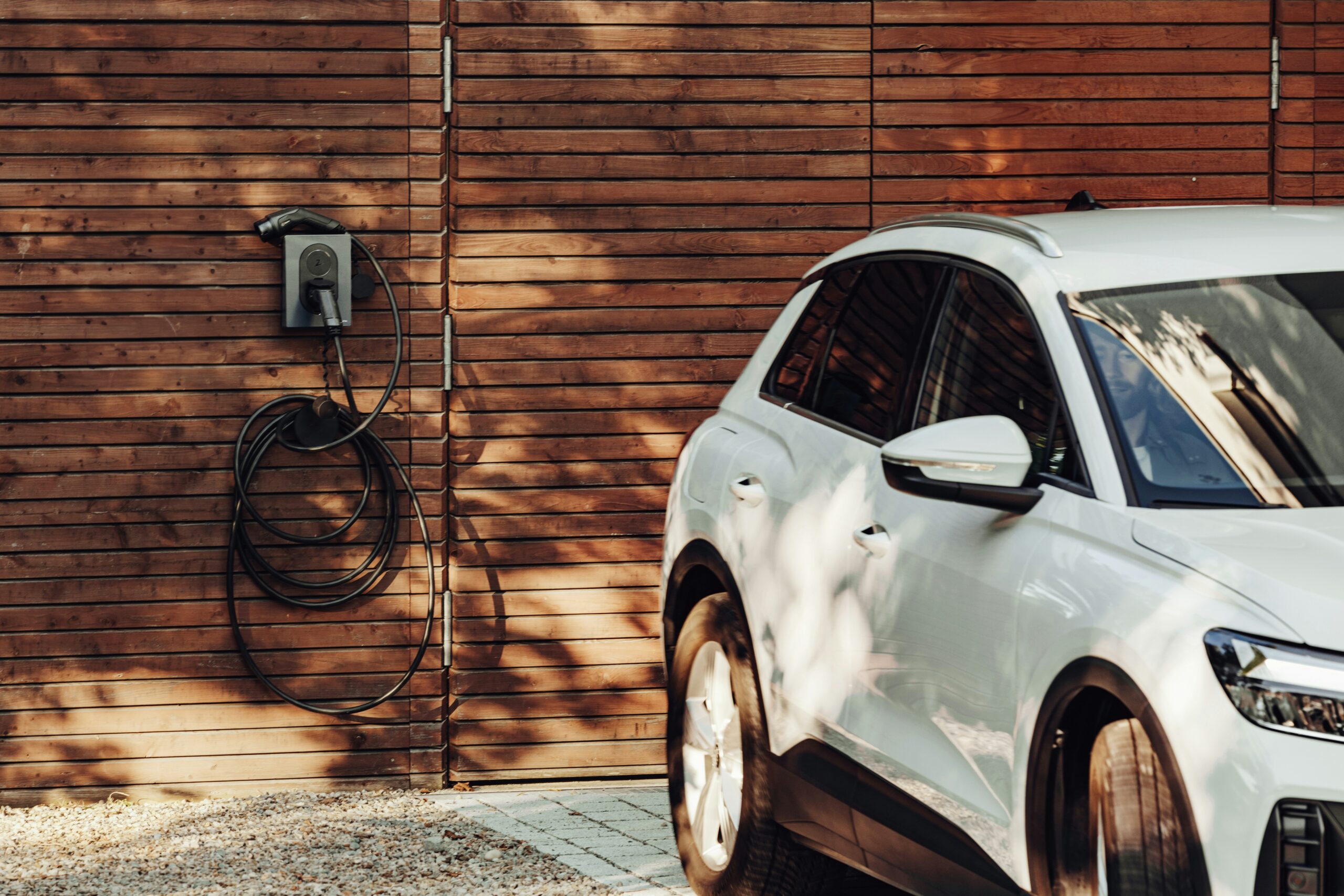
A home charger delivers three clear benefits: convenience, lower running costs and a smaller carbon footprint. You won’t need to plan detours to public chargers, and you control when and how you charge. Charging at home rather than using rapid public networks can cut your per‑kWh cost by as much as 70%. A smart domestic charger also lets you use off‑peak tariffs to reduce running costs further. For homeowners in Surrey, Hampshire and London, a home charger is a practical, long‑term saving and a straightforward way to drive more sustainably.
How Does Home EV Charging Boost Convenience and Savings?
Home charging is simple: plug in overnight or during off‑peak times and wake up to a full battery. A typical 7 kW charger adds around 25–30 miles of range per hour, so you can often top up 150–200 miles over a night. Off‑peak electricity can reduce charging to under 8 pence per kWh, saving roughly £300 a year versus frequent use of rapid public chargers. Smart electric vehicle charging installers automate schedules so your car is charged when electricity is cheapest — saving you time, easing range anxiety and helping keep household costs down.
What Are the Environmental Upsides of Residential EV Charging?
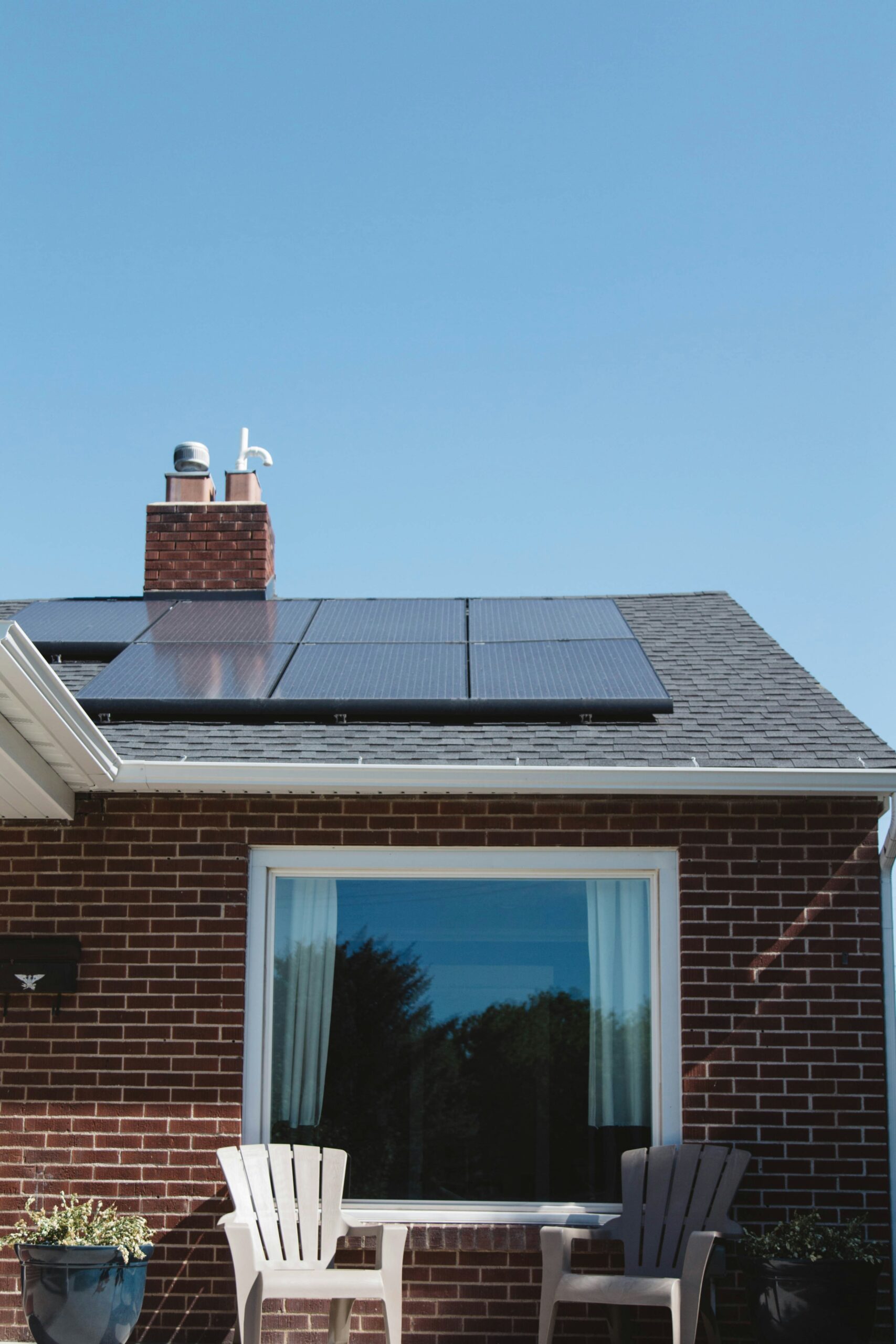
Charging at home makes it easier to use low‑carbon electricity, whether from a green tariff or surplus generation from your own solar panels. Charging at times when renewables are plentiful reduces the grid’s emissions intensity: for example, charging during strong solar output can cut CO₂ associated with a charge by up to 40% compared with some fossil‑fuel rapid chargers. Pairing a smart charger with solar maximises clean energy use, supporting national carbon targets and improving the environmental profile of your EV journeys.
UK Electric Vehicle Charging Modes and Government Support
The UK’s electric vehicle sector encompasses numerous charging modes, all of which are compatible with current EV models on the market. The UK government has actively engaged in the development of the EV sector, establishing targets for EV adoption. Standardisation of UK electric vehicle charging protocol, payment and charge point connection, S Al-Majeed, 2021
How Does Smart EV Charging Make Things More Cost-Efficient?
Smart chargers reduce running costs by scheduling charging for off‑peak periods and reacting to grid signals. Higher‑end models link to energy management platforms and can delay or throttle charging when wholesale prices fall. In October 2025, average domestic half‑hour prices varied by up to 15 pence per kWh across tariff periods — so timing your charge matters. Smart units also offer load‑balancing to avoid overloading household circuits by shifting non‑urgent charging to quieter times. Together, these features can cut annual charging costs by around 20% while keeping your car ready when you need it.
What’s the Cost of EV Charger Installation in the UK?
Domestic EV charger installations in the UK typically range from £800 to £1,600, including equipment and labour. Final prices depend on the charger’s power, mounting position and whether any electrical upgrades are needed. A professionally fitted 7 kW tethered unit commonly starts at about £899, while a 22 kW untethered wallbox may come in nearer £1,415. Cable length, required earthing work and site access will also affect the quote — knowing these cost drivers helps you budget correctly.
What Factors Affect the Price of Home EV Charger Installation?
Key elements that influence the cost include:
- Charger Specification: Higher outputs (11 kW, 22 kW) and tethered cables usually raise the base price.
- Installation Complexity: Long cable runs, trenching or drilling through masonry add time and materials.
- Electrical Capacity: Upgrading your consumer unit or adding a dedicated circuit will increase costs.
- Access and Location: Remote meter positions or first‑floor mounting require more cabling and labour.
Understanding these points lets homeowners make informed choices and avoid surprises on the day.
How Can the OZEV Grant Help Lower Your Installation Costs?
The OZEV EV Chargepoint Grant offers up to £350 towards the purchase and fitting of an approved domestic charging unit for eligible applicants. That contribution can reduce the typical outlay by around 30% on many mid‑range installations. For example, applying the full grant to an £899 install could lower your cost to about £549. This support makes home charging more affordable and helps speed the switch to cleaner transport.
Are There Extra Costs for Electrical Upgrades or Safety Checks?
Beyond the charger and standard install you may see additional charges for:
- Consumer Unit Upgrades: Installing a 40 A breaker or RCD protection typically costs £150–£300.
- Electrical Safety Certificate: An EICR (or similar certificate) confirms compliance and may be requested by insurers.
- DNO Notifications: Letting your Distribution Network Operator know about increased load can involve small administrative fees.
These items ensure a safe, compliant installation and long‑term reliability, giving you peace of mind.
How Does the OZEV Grant for Home EV Chargers Actually Work?
The OZEV EV Chargepoint Grant, run by the Office for Zero Emission Vehicles, provides up to £350 towards buying and fitting an approved home charger. By lowering the upfront cost, the grant makes domestic charging more accessible and supports national decarbonisation goals. Eligible homeowners and landlords apply through OZEV‑approved installers, who handle the technical and administrative steps needed to secure the funding.
Who Qualifies for the OZEV EV Chargepoint Grant?
The grant is available to UK homeowners, private tenants and landlords of rented properties, provided there’s an off‑street parking space. Installations must be carried out by an OZEV‑approved installer such as Downlight Electrical Ltd. Landlords can include installations in tenancy agreements so tenants benefit too. Each property can claim one grant, so households with multiple EVs may need to look at alternative options for additional chargers.
What’s the Process for Applying for the OZEV Grant?
Applying is a simple three‑step process:
- Installer Verification: Confirm your chosen contractor is OZEV approved.
- Grant Submission: The installer enters your details, installation address and equipment spec into the OZEV portal.
- Post‑Installation Claim: After fitting and commissioning, the installer submits proof of completion to release the grant payment.
Your installer manages the paperwork so you don’t have to deal with the portal yourself.
How Does Downlight Electrical Ltd Assist with OZEV Grant Applications?
As an OZEV‑approved installer, Downlight Electrical Ltd handles the full grant process for you. We start with a free site survey to check eligibility and recommend the right charger. We then manage DNO notifications and submit the application via the portal. From supplying equipment and carrying out any required electrical work to claiming the grant, we take care of the details so you receive the £350 contribution with minimal fuss. More information can be found at Downlight Electrical.
What Are the Top Home EV Chargers Available in the UK?
Picking the right charger means weighing power, smart features and cost. Popular UK models include the Hypervolt Home 3 Pro, Zappi Gen 3, Ohme Home Pro, Rolec WallPod and Andersen A2. Each offers different strengths for charging speed, connectivity and solar integration. Comparing power ratings, tethered versus untethered options and smart functions will help you choose the best fit for your driving patterns and budget.
Below is a quick summary of key features for popular domestic chargers:
| Model | Power Output | Connectivity | Tethered/Untethered | Price Range |
|---|---|---|---|---|
| Hypervolt Home 3 Pro | 7 kW / 22 kW | Wi‑Fi & App | Both options | £899–£1,415 incl. installation |
| Zappi Gen 3 | 7 kW / 22 kW | Wi‑Fi & Load‑based charging | Untethered | £950–£1,500 incl. installation |
| Ohme Home Pro | 7 kW | Bluetooth & App | Tethered | £850–£1,200 incl. installation |
| Rolec WallPod | 7 kW | OCPP & App | Both options | £800–£1,300 incl. installation |
| Andersen A2 | 11 kW | Ethernet & App | Untethered | £1,200–£1,700 incl. installation |
How Do Popular EV Charger Brands Compare: Hypervolt, Zappi, Ohme, Rolec, Andersen?
Hypervolt and Zappi both offer 7 kW and 22 kW options with strong Wi‑Fi features. Hypervolt provides both tethered and untethered variants with dynamic load‑balancing, while Zappi excels when paired with solar thanks to built‑in PV diverter modes. Ohme focuses on simple smartphone control and easy scheduling. Rolec offers OCPP compatibility for future network flexibility. Andersen’s A2 delivers 11 kW, a good balance for households needing faster top‑ups without three‑phase power. Each brand suits different priorities, from solar integration to multi‑vehicle households.
What Features Should You Prioritise in a Domestic EV Charger?
When choosing a home charger, look for these key features:
- Power Rating: Match the output (7 kW, 11 kW or 22 kW) to your car’s onboard charger and your home supply.
- Connectivity: Wi‑Fi, Bluetooth or Ethernet for remote control and firmware updates.
- Smart Scheduling: Off‑peak charging and load‑balancing to reduce costs.
- Installation Flexibility: Decide between tethered cable or untethered socket based on storage and garage layout.
- Certification: OCPP compatibility and OZEV approval for grant eligibility and future interoperability.
Focusing on these points helps you get a reliable, cost‑effective and future‑ready charging setup.
How to Select the Perfect Charger for Your Home and Vehicle?
Start by assessing your daily mileage and the electrical capacity of your home. For average commutes under 30 miles a day, a 7 kW charger is usually sufficient; larger households or those with heavier usage may benefit from 11 kW. Check whether your consumer unit can support the chosen rating without major upgrades. If you have solar panels, pick a charger that supports a PV diverter to use more self‑generated power. Finally, choose a modular, app‑enabled model to stay adaptable as charging needs and standards change.
The Step-by-Step Process for Installing a Home EV Charger
A clear installation process keeps things simple from enquiry to commissioning. It starts with a free site survey to review your electrical capacity, identify the best mounting spot and plan cable runs. We then liaise with the Distribution Network Operator (DNO) to confirm load allowances before fitting the equipment. After installation we complete testing, certification and commissioning so your charger is safe and ready to use.
How Does the Free Site Survey Help Prepare for Installation?
On the free site survey a qualified Downlight Electrical Ltd electrician inspects your consumer unit, possible charger locations and cable routes. The survey identifies any earthing, cable or consumer unit work that may be needed and checks grant eligibility. You’ll get a clear report and a transparent quote so there are no surprises on installation day.
What Are the Typical Installation Steps from Enquiry to Completion?
Fitting a home EV charger typically follows these five steps:
- Initial Enquiry and Survey – We assess site suitability and confirm grant eligibility.
- Quotation and Approval – You receive a transparent price covering equipment, labour and any electrical upgrades.
- OZEV Grant Submission – We submit the grant application on your behalf.
- Fitting and Wiring – Our engineers install the wallbox, connect the circuit and fit safety devices.
- Testing and Commissioning – We run all electrical tests, issue your compliance certificate and finalise the grant claim.
This approach keeps communication clear and ensures the work meets regulations and finishes on time.
What Electrical Safety Standards and Requirements Are Adhered To?
All domestic EV charger installers follow BS 7671 wiring regulations and the IET Code of Practice for EV charging equipment. Our installers fit dedicated circuits with RCD protection and confirm earth continuity. On completion we provide an Electrical Installation Condition Report (EICR) or a certificate of compliance. These checks protect your home’s wiring and guarantee the charger operates safely.
How Can Homeowners in Surrey, Hampshire, and London Benefit from Local EV Charger Installation?
Using a local installer gives faster response times, practical on‑site support and knowledge of regional grid conditions. For homeowners in Surrey, Hampshire and London, choosing a nearby OZEV‑approved company like Downlight Electrical Ltd means free local surveys, streamlined DNO notifications and quicker turnarounds. Our experience with everything from period properties to modern flats lets us plan mounting and cabling that minimise disruption.
Why Choose Downlight Electrical Ltd as Your Local OZEV Approved Installer?
Downlight Electrical Ltd has been OZEV‑approved since 2018 and follows government installation standards. As a local firm we can arrange free site surveys within days, manage grant applications and DNO notifications, and often complete installations in 1–2 days. Our end‑to‑end service and customer care deliver a smooth installation and ongoing support across Surrey, Hampshire and London.
What Are Some Local Case Studies of Successful Domestic EV Charger Installations?
Customers in Guildford, Winchester and South West London have had hassle‑free home charger installs. In one Surrey property we fitted a Hypervolt Home 3 Pro in under eight hours despite a complex three‑storey cable run, allowing the family to charge at 6 pence per kWh overnight. In Hampshire a Zappi Gen 3 paired with solar panels provided near zero‑carbon daily charging. In South London residents secured OZEV grants and had untethered chargers installed in communal parking — examples that show how flexible local installations can be.
How Does Local Support Enhance Your EV Charging Experience?
Local support means regular maintenance, firmware updates and fast fault response when needed. Downlight Electrical Ltd offers annual safety checks, warranty repairs and priority booking for additional installations. A long‑term relationship with a local installer makes it easier to adapt your setup as your vehicle or tariff changes.
Common Questions About Domestic EV Charging and Installation Answered
Homeowners often ask about installer qualifications, whether chargers can be fitted in rented properties or flats, and how long installations take. Clear answers up front help avoid delays and ensure a smooth installation.
Do I Need a Special Electrician for EV Charger Installation?
Yes. Installations must be carried out by an OZEV‑approved electrician experienced with EV charging standards. These installers understand BS 7671 requirements, consumer unit upgrades and DNO notifications. Choosing a recognised installer like Downlight Electrical Ltd ensures your work meets safety standards and qualifies for grant funding.
Can I Install an EV Charger If I Live in a Flat or Rented Property?
Yes — provided you have an off‑street or dedicated parking bay. OZEV rules allow tenants and landlords to apply for grants if there’s private parking. An OZEV‑approved installer can help with landlord permissions, tenancy paperwork and the grant application so flats and rented properties can also benefit from home charging.
Electric Vehicle Drivers and Domestic Charging Infrastructure in the US
Although there are 1.1 million electric vehicle drivers who will utilise existing domestic charging outlets. While the number of EV drivers is increasing, the availability of charging points is not expanding sufficiently to meet demand. Estimating electric vehicle charging infrastructure costs across major US metropolitan areas, M Nicholas, 2019
How Long Does the Installation Take and What Disruptions Should I Expect?
Most domestic installations are completed in one to two working days. We carry out surveying and planning before the install day to reduce on‑site delays. The actual fitting, wiring, testing and certification usually takes around six to eight hours. You may have short power interruptions during circuit connections or consumer unit upgrades, but our teams plan these carefully to keep disruption to a minimum and restore power promptly.
Installing a home EV charger gives you convenience, lower running costs and environmental benefits across the South of England. By understanding installation costs, using the OZEV grant, comparing top chargers and following a clear installation process, homeowners can switch to at‑home charging with confidence. Working with a local OZEV-approved installer like Downlight Electrical Ltd means expert guidance from the survey through to commissioning for a compliant, future‑proof charging solution.
Conclusion
A home EV charger brings everyday convenience, meaningful cost savings and a greener way to run your car. Knowing the installation steps, making the most of the OZEV grant and choosing the right charger helps you get the best result for your home. Partnering with a local OZEV‑approved installer like Downlight Electrical Ltd ensures expert support from start to finish. Ready to make home charging simple? Explore our services today.