





Your Local Electrician: Expert Help for Emergencies, Homes, Businesses & EV Chargers
A sudden power cut can bring everything to a standstill, whether at home or at work. Finding a local, certified electrician means you’ll get a safe, dependable, and quick fix for any electrical problem. This guide will walk you through how to pick the best , what to expect from emergency services, the details of home and business electrical work, EV charger installations, typical costs and timings, and what our customers have to say to give you complete confidence in our professional service.
How to Find a Top Electrician for Reliable Service?
The best local electrician combines solid qualifications with clear communication and fair pricing for top-notch work. Choosing a contractor who meets industry standards, has the right insurance, and keeps you in the loop avoids unexpected costs and ensures everything is done according to UK rules, like Part P and BS 7671, for every job.
Why UK Electrical Safety Rules Matter
The UK has strict regulations, such as Part P of the Building Regulations and BS 7671, to make sure all electrical setups are safe and meet industry benchmarks. These rules are in place to protect people and property from electrical dangers.
Institution of Engineering and Technology, Wiring Regulations (BS 7671) (2018)
This reference backs up the article’s mention of the specific regulations must follow.
What Credentials Should Your Local Electrician Have?
A qualified electrician has formal training, holds industry-recognised accreditations, and maintains up-to-date insurance. Key qualifications include:
- A City & Guilds Level 3 qualification in Electrical Installation, proving advanced technical skill.
- Public liability and professional indemnity insurance to protect your property and the project’s outcome.
- Membership with NICEIC or a similar body, confirming they undergo regular independent checks.
Qualifications and Accreditations for Electricians
Electricians in the UK need specific qualifications and accreditations to prove their competence and ensure they work safely. These include City & Guilds Level 3 qualifications and belonging to schemes like NICEIC.
National Inspection Council for Electrical Installation Contracting (NICEIC), Approved Contractor Scheme (2024)
Having these credentials builds trust and guarantees consistent quality, which leads us to why about us is so important.
Why is NICEIC Approval a Big Deal for Your Electrician?
NICEIC approval means the domestic has passed strict checks, boosting safety and reliability.
| Accreditation | What it Means | Your Benefit |
|---|---|---|
| NICEIC Approved | Regular checks by a third party | Confirms competence and safe installations |
| Part P Certified | Meets Building Control requirements | Avoids project delays or official notices |
| TrustMark Scheme | A quality standard backed by the government | Ensures fair pricing and professional conduct |
Choosing a contractor with these guarantees and high standards sets the stage for clear pricing and communication.
How Do Clear Pricing and Communication Help You?
Transparent quotes break down costs for labour, materials, and any call-out fees, while regular updates keep you informed about the project’s progress and timeline. This means:
- You get accurate budgeting with no hidden charges.
- You can make informed decisions as each step of the work is explained clearly.
- Disputes are minimised thanks to documented agreements.
Clear pricing and open communication build strong relationships and lead smoothly into quick electrical maintenance when needed.
What Emergency Electrician Services Are Available Locally?
Emergency electricians provide fast diagnosis and repair for urgent electrical issues, getting your safety and systems back online quickly. Whether it’s a complete power loss, faulty wiring, or dangerous sparks, these specialists are to minimise disruption at homes, offices, or industrial sites.
When Should You Call a 24-Hour Emergency Electrician?
You should contact a electrician straight away if you experience any of these situations:
- A sudden, complete power outage affecting essential circuits.
- Visible sparks, a burning smell, or RCDs that keep tripping and won’t reset.
- Damage from storms with exposed live wires.
Acting fast prevents dangers and keeps your property secure until full repairs can be made in Hampshire, and London.
What Electrical Fault Finding Services Can Fix Power Outages Fast?
Fault finding uses specialised testing gear and a systematic approach to discover the root cause of power blackouts. Key services include:
- Thermal imaging to spot connections that are overheating.
- Earth loop testing to check RCDs and circuit safety.
- Continuity and insulation resistance tests to find wiring problems.
Accurate diagnosis speeds up repairs and reduces disruption, allowing our technicians to plan efficient services across the South of England.
How Do Emergency Electricians Handle Repairs in Surrey, Hampshire, and London?
Local emergency electricians follow a clear process for quick, compliant repairs:
- Immediately isolating any faulty circuits to ensure safety.
- Conducting a thorough inspection using portable PAT testers and digital multimeters.
- Replacing or repairing damaged cables, switches, or consumer units.
- Performing final checks and issuing certification to meet BS 7671 standards.
This structured method ensures safe reconnection and prepares your system for reliable ongoing use.
What Home Electrical Services Can a Local Electrician Offer?
Domestic electricians enhance your home’s safety and comfort by upgrading wiring, installing modern systems, and carrying out essential inspections. From full to smart lighting, these services cater to your changing energy needs and lifestyle improvements.
How Does House Rewiring Work and When Is It Necessary?
House rewiring involves , switches, and fuse boxes with modern PVC-insulated circuits designed to handle higher electrical loads safely. This is typically needed for:
- Homes built before 1960 that may have older, cloth-insulated wiring.
- Houses that frequently experience power tripping or voltage dips.
- Properties undergoing renovations, such as adding new appliances or extending a kitchen.
Rewiring boosts your home’s electrical capacity, lowers fire risks, and prepares it for future smart home technology.
What Are Consumer Unit Upgrades and Why Are They Important?
Upgrading your consumer unit means replacing outdated fuse boards with modern distribution panels that include RCD and RCBO protection. These features safeguard against electric shocks and overloads. For more information, check our fuseboard upgrades.
| Upgrade Option | Key Feature | What You Gain |
|---|---|---|
| Split Load Unit | Separate RCD protection for circuits | Limits the impact of a fault to just one circuit |
| RCBO-Fitted Board | Protection for each individual circuit | Enhanced safety and precise fault isolation |
| Surge Protection Module | Protects against voltage spikes | Safeguards your electronic devices from power surges |
Updating your consumer unit ensures you meet current regulations and .
How Can Smart Lighting and Outdoor Electrics Enhance Your Home?
Smart LED systems and outdoor electrical installations offer better energy efficiency, convenience, and improved security. Homeowners benefit from:
- Automated lighting schedules that cut down on energy use.
- Remote control via smartphone apps for easy management.
- Dedicated circuits for garden or driveway lighting, with waterproof fittings for safe outdoor illumination.
These modern solutions add value to your home and support a more sustainable lifestyle, while also setting the stage for comprehensive safety checks like an EICR.
What is an EICR and Why Do Homeowners Need One?
An Electrical Installation Condition Report (EICR) checks every circuit to ensure it complies with BS 7671 standards, identifying any wear or defects before they become a hazard. Homeowners need an :
- When buying or selling a property to confirm electrical safety.
- Every five years, or after significant changes, to keep insurance valid.
- To help prioritise necessary repairs that could prevent shocks or fires.
This inspection is fundamental to a safe home electrical system and guides future maintenance planning.
What Commercial Electrical Services Are Available Locally?
Commercial electricians support businesses, hospitality venues, and industrial sites with installations, ongoing maintenance, and essential compliance testing. Ensuring operations run smoothly and meet regulations is crucial for productivity and safety.
What Does an Office Electrical Fit-Out Involve in London?
Office fit-outs cover the design and installation of power sockets, LED emergency lighting, data cabling, and connections for fire alarm systems. Typical elements include:
- Power distribution from floor boxes with adaptable sockets.
- Energy-saving lights linked to sensors that detect natural light levels.
- Network cabling (Cat 6A/7) for high-speed data needs.
This thorough approach streamlines operations and maintains business continuity in line with regulations.
How is Industrial Electrical Maintenance Handled in Surrey?
Industrial maintenance programmes focus on scheduled checks, servicing of motor controls, and testing of high-voltage equipment. Key tasks include:
- Regular thermal scans of switchgear and transformers.
- Preventative lubrication and calibration of motor starters.
- Testing earth electrode resistance for safety earthing systems.
Consistent maintenance prevents unexpected shutdowns and extends the lifespan of equipment in manufacturing or processing plants.
Why is Commercial Electrical Testing and Inspection Crucial?
Regular testing and inspection provide legal proof of safety and performance under the . The main reasons are:
- To ensure RCDs trip within the required timeframes.
- To verify the integrity of fixed wiring and prevent operational downtime.
- To demonstrate due diligence to insurers and health and safety inspectors.
Proactive compliance minimises legal risks and boosts operational reliability.
When Should You Use an Emergency Commercial Electrician?
Emergency commercial support is vital after unexpected failures, such as issues with control panels or fire alarm systems. Call for immediate help when:
- Critical machinery loses power during operation.
- Life-safety systems, including emergency lighting, fail during business hours.
- Major circuits trip repeatedly and cannot be reset.
A rapid response prevents lost revenue and ensures the safety of everyone on the premises.
How to Find Expert EV Charger Installation Near You?
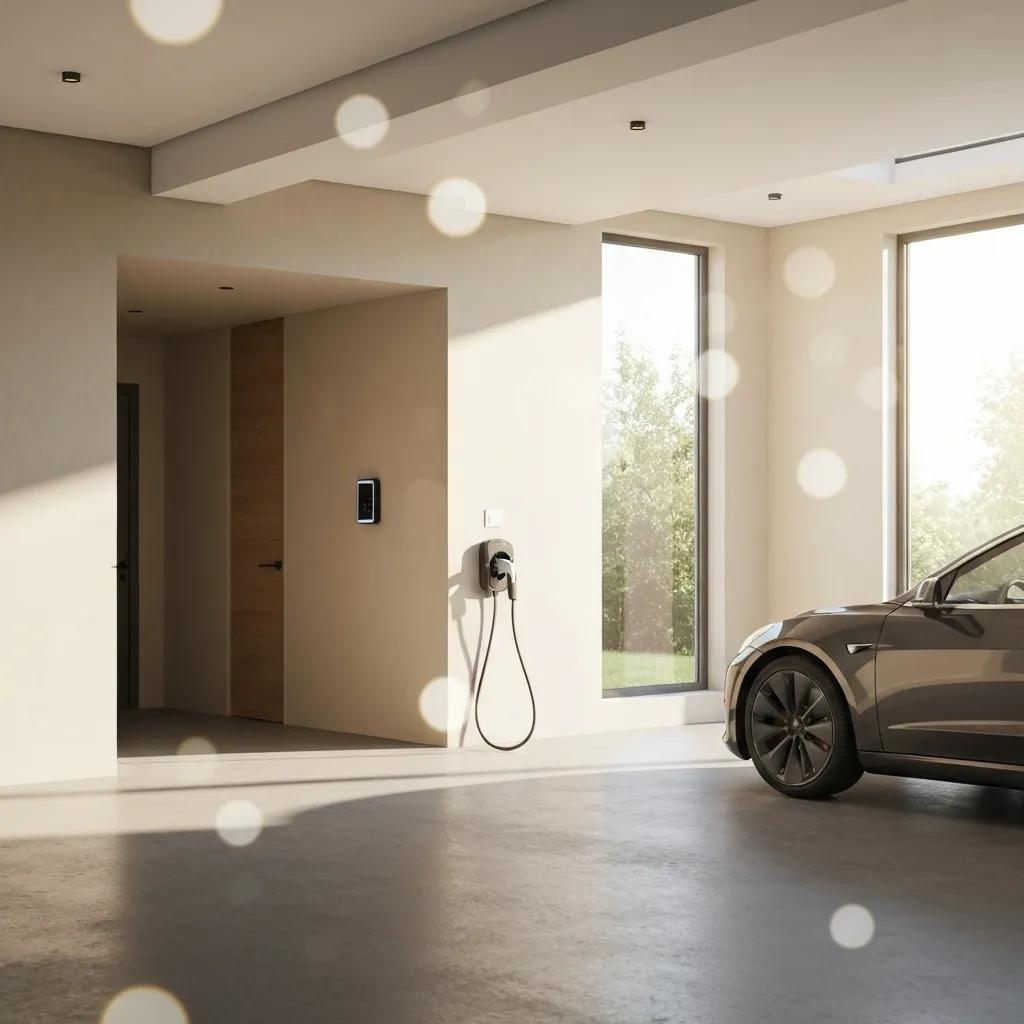
EV charger electricians combine their electrical expertise with knowledge of OZEV regulations to safely install at homes and workplaces. Expert installers ensure compatibility, compliance, and smooth integration with your existing electrical setup.
What Types of EV Chargers Can Be Installed at Home or Work?
EV charger options differ based on their power output, how complex the installation is, and what you need as a user.
| Charger Level | Power Output (kW) | Typical Use |
|---|---|---|
| Mode 2 Portable | 2.3 | Basic home charging using a standard socket |
| Mode 3 Wallbox | 7–22 | Dedicated charging unit for home or workplace |
| Fast Public Unit | 50+ | Commercial and public charging stations |
Choosing the right charger involves balancing charging speed with your electrical system’s capacity and your budget.
How Do OZEV Grants Help with EV Charger Installation Costs?
OZEV grants can cover up to 75% of the cost of installing an at home (up to a maximum of £350), making it more affordable to switch. The benefits include:
- Lowering the initial expense for homeowners and businesses.
- Encouraging the move towards low-emission transportation.
- Simplifying the process of meeting government incentive requirements.
Taking advantage of these grants speeds up your return on investment and supports greener travel options.
What is the Typical EV Charger Installation Process?
A structured installation process ensures safety and optimal performance:
- A site survey to check your consumer unit’s capacity and plan cable routes.
- A detailed quote covering labour, equipment, and eligibility for grants.
- Upgrading the circuit or installing a new radial ring main if needed.
- Mounting the charger, connecting the wiring, and performing commissioning tests.
- Registering the installation on the OZEV portal to claim the grant.
Following these steps guarantees a compliant, efficient installation that’s perfectly suited to your vehicle and location.
Which Vehicles Are Compatible with Different EV Chargers?
Most electric vehicles can use Mode 3 home chargers up to 22 kW, but their onboard charging capabilities vary. Common compatibility includes:
- Nissan Leaf, Renault Zoe: Compatible with 7–22 kW Mode 3 chargers.
- Tesla Model 3/Model Y: Works well with Type 2 Mode 3 wallboxes.
- BMW i3/Volkswagen ID.3: Can accept up to 11 kW AC charging.
Matching the charger’s power output to your vehicle’s onboard specifications helps optimise charging times and ensures you get the most from your equipment.
What Are the Typical Costs and Timings for Hiring an Electrician?
Understanding the costs and schedules involved helps you plan your projects and budgets effectively. Hourly rates and how long jobs take can vary between standard and , as well as depending on how complex the work is.
How Much Does an Electrician Cost Per Hour in the UK?
In the UK, electrician rates generally fall between £45 and £60 per hour for standard daytime work. For emergency call-outs or work outside normal hours, rates can go above £90 per hour, reflecting the need for rapid response and premium staffing.
What Factors Influence Emergency and Out-of-Hours Electrician Pricing?
Several factors contribute to the higher rates for premium services:
- Working during evenings, nights, or weekends usually involves higher labour charges.
- The complexity and severity of the fault can extend the time needed for diagnosis.
- Travel distance and the urgency of getting an engineer to your location can affect the cost.
Being aware of these factors helps you budget accurately and avoids surprises on your final bill.
How Long Does It Take to Complete EV Charger Installation?
A typical installation usually takes between two and four hours, depending on:
- Whether circuit upgrades or new cabling routes are required.
- Any modifications needed for the consumer unit and obtaining necessary permissions.
- The charger’s setup and safety certification process.
This efficient process minimises disruption and fits smoothly into your daily life.
Expert Electricians for EV Charger Installation & Electrical Services
Feedback from local customers provides real-world confirmation of an electrician’s reliability, quality of work, and customer service. Reviews and highlight our consistent delivery of safe, compliant, and punctual solutions.
Which Local Testimonials Highlight Quality and Reliability?
Homeowners often praise our quick fault diagnosis and tidy installations, while businesses commend the minimal disruption and clear project updates. Clients have shared:
- “A fast response during a power cut saved our restaurant’s evening service.”
- “The rewiring project was finished on time with absolutely no disruption to our family life.”
These endorsements underline the trust we’ve built through our .
What Case Studies Showcase Successful Electrical Projects?
Our recent projects demonstrate a wide range of expertise:
- A complete rewire of a Victorian townhouse in Guildford, including smart lighting integration.
- EV charger installation for a fleet operator in Southampton, utilising OZEV funding.
- An office fit-out in Central London featuring energy-efficient LED lighting and data cabling.
These documented successes showcase our technical skill and ability to provide tailored solutions for every type of client.
How Do Local Electricians Build Long-Lasting Client Relationships?
We build lasting partnerships by offering proactive maintenance plans, transparent reporting, and ongoing support after projects are completed. We:
- Schedule regular safety inspections and follow-up visits.
- Provide clear advice on future upgrades and changes in regulations.
- Maintain open lines of communication for prompt assistance.
This dedication to continuous service fosters confidence and encourages repeat business from both domestic and commercial clients.
Electricity is essential for modern living and business, so partnering with a qualified local ensures your safety, compliance, and peace of mind. From emergency repairs to smart home upgrades and EV charger installations, our expert contractors provide dependable solutions designed for your specific needs. Get in touch with a certified professional today to discuss your next project and secure your property’s electrical future.
Conclusion
Partnering with a qualified local electrician ensures your home or business benefits from safe, compliant, and efficient electrical solutions. From emergency repairs to smart home upgrades and EV charger installations, our expert contractors are dedicated to meeting your specific needs. By choosing a certified professional, you can secure your property’s electrical future with confidence. Contact us today to discuss your next project and experience the difference in quality service.