




Tethered or Untethered EV Chargers for UK Homes and Businesses
Selecting the perfect EV charger can revolutionise your daily routine, slash charging times, and protect your property’s value. When weighing up tethered versus untethered EV chargers, understanding the trade-offs between fixed-cable ease and socketed versatility is crucial for homeowners and commercial clients across Surrey, Hampshire, and London. This guide will clearly define each charger type, compare their advantages and disadvantages, delve into cost implications and available grants, outline Downlight Electrical’s meticulous installation process, and explain essential long-term maintenance strategies. By mastering these key points, you’ll be equipped to make an informed decision that optimises charging efficiency and supports your transition to electric motoring.
What Exactly Is a Tethered EV Charger? Definition and Key Features
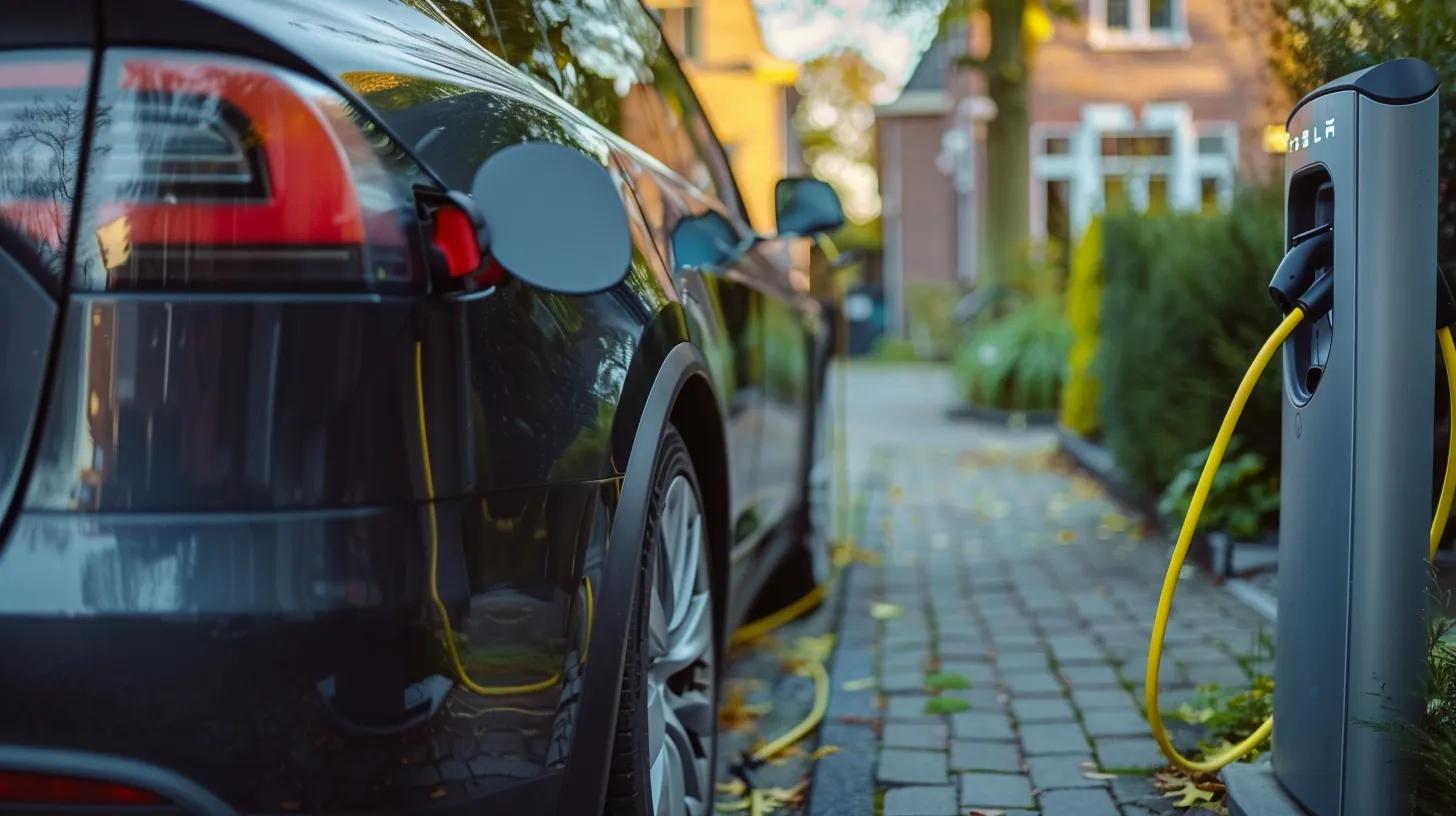
A tethered EV charger is a wall-mounted device featuring a permanently attached Type 2 charging cable. This integrated design offers effortless plug-and-play convenience, eliminating the need for separate cable storage and ensuring compatibility with all modern UK electric vehicles. Incorporating a fixed cable into your charging setup simplifies the user experience and minimises the risk of misplacing leads, making it a favoured choice for both homes and businesses.
How Does a Tethered EV Charger Function?
A tethered charger delivers alternating current (AC) to an EV through a hardwired cable that connects directly to the vehicle’s onboard charger. The unit communicates with the car’s charging system to precisely regulate voltage and current, typically operating at 7 kW for single-phase systems or up to 22 kW for three-phase setups. This seamless electrical handshake guarantees safe, efficient power delivery every single time you connect.
What Are the Advantages of Tethered EV Chargers in the UK?
Before we look at other options, it’s helpful to list the primary benefits of a permanently attached cable for residents and businesses throughout the South of England.
- Immediate Convenience – The cable is always ready to go, cutting down on setup time and simplifying your daily charging routine.
- Enhanced Security – Integrated locking mechanisms secure the cable to the unit, acting as a deterrent against theft.
- Standard Compatibility – Permanent Type 2 connectors are designed to fit the vast majority of UK EV models without requiring adapters.
- Reduced Wear and Tear – Fixed routing prevents the repeated stress of plugging and unplugging, extending the cable’s lifespan.
These benefits position tethered chargers as a dependable, user-friendly option for frequent charging needs, setting the stage for our exploration of untethered options next.
What Are the Disadvantages of Tethered EV Chargers?
Despite their inherent convenience, tethered chargers do come with certain drawbacks:
- Limited Flexibility – The fixed cable length can restrict your parking options or necessitate precise vehicle alignment.
- Aesthetic Impact – Permanently coiled cables might appear untidy on external walls.
- Replacement Constraints – Upgrading to a longer or specialised cable means replacing the entire charger unit.
Understanding these limitations helps clarify why some drivers opt for an untethered socket setup, which we will explore in the following section.
How Does Cable Specification Influence Tethered Chargers?
The cable’s specification dictates both charging speed and usability. In the UK, a Type 2 cable is the standard for home chargers, delivering up to 7 kW on single-phase and 22 kW on three-phase power. Opting for a high-quality, weatherproof cable ensures consistent conductivity and safety, even during harsh winter conditions. The cable’s gauge and insulation directly affect heat dissipation, which in turn influences its long-term reliability and performance.
What Is an Untethered EV Charger? Definition and Key Features
An untethered EV charger features a built-in socket designed to accept a detachable Type 2 cable. Unlike units with fixed cables, this design gives users the freedom to choose their preferred cable lengths, swap cables between different locations, and store the lead indoors when not in use. This modular approach is ideal for shared driveways, rented properties, and evolving fleet requirements.
How Does an Untethered EV Charger Operate?
An untethered charger supplies power to a plug-in cable that the user connects. Once the cable is plugged in, the socket communicates with the vehicle’s charging module, regulating the current and offering smart charging features if supported. This separation of the charger and the cable allows for a quick-release mechanism and offers more flexible installation arrangements.
What Are the Benefits of Untethered EV Chargers in the UK?
Detachable-cable chargers offer distinct advantages:
- Flexible Parking Arrangements – Swap cables to accommodate different parking layouts and multiple vehicle users.
- Aesthetic Adaptability – Store cables out of sight when not in use, maintaining a clean and tidy exterior.
- Future-Proofing Capabilities – Upgrade cables independently as new standards emerge, without needing to replace the entire charger unit.
What Are the Drawbacks of Untethered EV Chargers?
This modular convenience does come with potential downsides:
- Additional Purchase Required – Users must buy compatible cables separately, which adds to the initial cost.
- Storage Necessities – Detached cables require secure, weatherproof storage to prevent damage and potential trip hazards.
- Theft Vulnerability – Removable cables are more susceptible to theft if left unsecured at the socket.
Carefully weighing these factors against the benefits of tethered options highlights the importance of matching your charger installation to your specific use case and site layout.
How Do Cable Types and Compatibility Affect Untethered Chargers?
Selecting the correct Type 2 cable for an untethered socket is absolutely critical for both safety and performance. High-current cables (32 A for 7 kW, 63 A for 22 kW) support faster charging rates but tend to be heavier and stiffer. Evaluating the cable length against your parking distance ensures adequate reach without excessive slack, while verifying manufacturer compatibility prevents communication errors during charging sessions.
Tethered vs. Untethered EV Chargers: Which Is the Superior Choice?
Tethered EV chargers provide ultimate convenience with a permanently attached cable, typically a Type 2 connector, which is the established standard across Europe and the UK, capable of supporting up to 22 kW AC charging. Untethered chargers, on the other hand, offer enhanced flexibility through a detachable cable, allowing for greater aesthetic adaptability and future-proofing, although they do require users to supply their own cable.
This citation confirms the fundamental definitions and comparative aspects of tethered and untethered chargers, as well as the widespread adoption and capabilities of Type 2 connectors in the UK, which are central to the discussion in this article.
How Do Tethered and Untethered EV Chargers Stack Up? Key Differences Explained
To help you make the best choice, the following table contrasts the core attributes of tethered and untethered EV chargers in a typical UK installation scenario.
| Feature | Tethered Charger | Untethered Charger |
|---|---|---|
| Convenience Level | High – cable is always connected and ready to use | Moderate – cable needs to be plugged in each time |
| Flexibility | Low – fixed length and position | High – ability to change cables and storage locations |
| Security | Cable locks directly to the unit, deterring theft | Relies on cable locks and appropriate storage measures |
| Aesthetic Impact | Visible cable on the wall, can appear cluttered | Cleaner exterior appearance when the cable is stored away |
| Future-Proofing | Lower – cable upgrades necessitate unit replacement | Higher – cables can be swapped as standards evolve |
This direct comparison clearly illustrates how individual preferences, specific parking arrangements, and security priorities significantly influence the decision between these two charger types.
What Are the Differences in Convenience and Flexibility?
Tethered chargers offer immediate plug-and-charge simplicity, making them ideal for single-car households. In contrast, untethered setups are better suited for multi-user environments, allowing for cable sharing and making them a practical choice for workplaces or shared residential driveways.
How Do Security and Theft Prevention Differ?
With a fixed cable, the charging lead automatically locks into the unit, providing an inherent deterrent against theft. An untethered socket, however, relies on cable-end locks or separate, secure storage solutions to protect against theft, which requires additional diligence from the user.
What Are the Aesthetic and Property Design Considerations?
A permanently attached cable can detract from a clean wall facade, whereas a socket-only charger keeps exterior walls looking uncluttered when the cable is removed. Architects and homeowners should carefully consider the visual impact alongside practical access logistics when planning charger placement.
How Do Installation and Maintenance Requirements Vary?
Tethered units typically require minimal setup beyond secure mounting, while untethered sockets might necessitate additional cable management accessories. Maintenance for both types involves regular safety checks of electrical connections, but socket-only installations also require inspection of the detachable cable’s condition.
What Are the Cost Differences Between Tethered and Untethered Chargers?
The initial purchase prices for tethered and untethered chargers are generally comparable. However, untethered installations will incur additional costs for the necessary cables. Over the long term, the ability to replace cables independently may lead to reduced upgrade expenses for socket-only units.
Which EV Charger Is the Optimal Choice for Your Home or Business in Surrey, Hampshire, and London?
The decision between tethered and untethered chargers ultimately depends on your specific site conditions, how you intend to use it, and the available regulatory incentives within the South of England.
What Should Homeowners Consider When Choosing Between Tethered and Untethered Chargers?
Homeowners who prioritise simplicity, enhanced security, and a routine involving a single vehicle often find tethered chargers to be the preferred option. Conversely, households with multiple EVs or variable parking arrangements will likely benefit more from the adaptability and future-proofing offered by detachable cables.
What Are the Best Options for Commercial Clients and Fleet Charging?
Businesses and fleet operators often find untethered sockets to be highly advantageous, allowing employees or service vehicles to share cables and access multiple charging points. Tethered chargers can be a good fit for more controlled fleets where specific vehicles are assigned to designated charging bays.
How Do Local Regulations and Grants Influence Your Decision?
Government incentives, such as those provided through OZEV, offer up to £350 back for qualifying tenancies and residential installations with off-street parking. Commercial clients can take advantage of enhanced capital allowances on EV charging infrastructure, making larger-scale socket-only installations a more cost-effective prospect.
What Are Common Use Cases for Each Charger Type?
- Shared driveway among neighbours → Untethered for easy cable swapping
- Single-vehicle home with a private garage → Tethered for instant, hassle-free charging
- Employee EV parking bays at offices → Untethered to efficiently serve multiple users
- Hotel guest charging stations → Tethered for maximum convenience and security
What Does Professional EV Charger Installation Entail? Downlight Electrical’s Expert Process
Downlight Electrical follows a structured, compliant installation workflow designed to ensure that every tethered or untethered EV charger meets stringent UK standards and exceeds client expectations.
What Are the Steps Involved in Installing a Tethered or Untethered EV Charger?
- Site Survey – We meticulously assess your electrical capacity, potential cable routes, and the optimal mounting location.
- Electric Supply Check – We verify your single-phase or three-phase power availability and recommend upgrades if necessary.
- Unit Installation – We securely mount the bracket, expertly connect the wiring, and fit the charger unit.
- Commissioning – We rigorously test the communication between the charger and your EV, calibrating any smart functions.
- Handover – We provide a clear demonstration of operation, explain all safety features, and offer maintenance recommendations.
This systematic approach guarantees reliable performance and full compliance from day one, leading into the distinct advantages of our local expertise.
How Does Local Expertise in Surrey, Hampshire, and London Benefit You?
With our in-depth understanding of regional electrical networks and planning regulations, Downlight Electrical minimises installation delays, secures all necessary permissions efficiently, and optimises cabling routes for both urban and rural settings. This dedicated local focus improves lead times and guarantees strict adherence to council and highway codes.
What Safety and Compliance Standards Are Adhered To?
All our installations strictly conform to BS 7671 wiring regulations, comply with the smart-charging requirements introduced in 2022, and include full certification. Protective measures such as RCDs, earth-fault detection, and overcurrent protection are implemented to safeguard both users and property.
What Are the Typical Costs and Available Grants for EV Charger Installation in the UK?
Understanding installation budgets and the available funding support will help you plan your EV charging project with complete confidence.
How Much Does Installation Cost for 7kW and 22kW Chargers?
| Charger Capacity | Installation Cost Range | Typical Grant Support |
|---|---|---|
| 7 kW (single-phase) | £600+ | £350 (residential) |
| 22 kW (three-phase) | £1,200+ | Commercial allowances |
These figures encompass labour, materials, and certification fees. The availability of grants significantly reduces the net outlay for qualifying homeowners and tenants.
EV Home Charger Installation Cost UK 2025
The average cost for a standard 7kW home EV charger installation in the UK in 2025 is approximately £1,110. This figure can be reduced to around £760 with the application of relevant government grants. Factors such as the required cable distance from the consumer unit, any necessary groundworks, and potential electrical upgrades can substantially influence the final price.
This information provides verified cost ranges for 7kW charger installations and confirms the impact of grants, aligning perfectly with the cost breakdown presented in this article.
What Government Grants Are Available for Homeowners and Tenants?
The Office for Zero Emission Vehicles (OZEV) currently provides a grant of £350 towards domestic installations for properties with off-street parking. Landlords and owners of flats may also be eligible to claim this grant, ensuring broader accessibility for those in rented properties and shared facilities. For those interested in installation, you can find qualified electric vehicle charging installers.
OZEV EV Chargepoint Grant Guide
The Office for Zero Emission Vehicles (OZEV) offers grants of up to £350 towards the purchase and installation cost of an EV chargepoint at home. This grant is available for flat owners and individuals residing in rented properties who have dedicated off-street parking, as well as for eligible electric vehicles.
This research directly substantiates the claims made in this article regarding government grants for homeowners and tenants, including the specific £350 amount and the relevant eligibility criteria.
What Factors Influence Installation Costs?
The total installation cost is influenced by several factors, including cable length, any required electrical upgrades (such as modifications to the distribution board), site accessibility, and potential permit fees. More complex tasks like trenching or three-phase conversions will increase labour expenses, while on-street installations may require additional approvals.
How Should You Maintain and Service Your EV Charger? Essential Tips for Longevity and Safety
Regular care and professional servicing are key to extending your charger’s lifespan and maintaining its peak performance, whether you have a tethered or untethered unit.
What Routine Checks Are Recommended for Tethered and Untethered Chargers?
A simple quarterly inspection should include:
- Verifying the integrity of the cable insulation and the condition of the connector pins
- Ensuring the unit housing is free from any signs of moisture ingress
- Testing the functionality of lock mechanisms and socket contacts
- Confirming that firmware is up-to-date and communication is reliable
Performing these regular checks helps prevent minor faults from escalating and ensures uninterrupted charging.
How Can You Troubleshoot Common EV Charger Issues?
Most common household EV charger problems arise from loose connections, tripped protective devices, or software glitches. Resetting RCDs, inspecting plug ends for any debris, and rebooting smart-charging modules can resolve over 80% of issues. For persistent faults, a qualified electrician can safely diagnose board-level or supply-side errors.
What Maintenance Contracts Does Downlight Electrical Offer?
Downlight Electrical provides bespoke maintenance agreements that include periodic safety inspections, remote diagnostics for smart units, priority call-out services, and discounted rates on replacement parts. These service contracts ensure compliant operation and minimise downtime for both domestic users and commercial fleets.
Choosing the right charger type involves carefully balancing convenience, flexibility, security, and cost. Tethered chargers offer immediate, lock-in simplicity, while untethered sockets provide scalable adaptability for your evolving needs. Local grants and professional installation by Downlight Electrical simplify the entire process, and our routine servicing plans protect your investment for years of reliable EV charging.
For expert advice tailored specifically to your property in Surrey, Hampshire, or London, contact Downlight Electrical today to arrange a complimentary site survey and a personalised EV charging solution.