



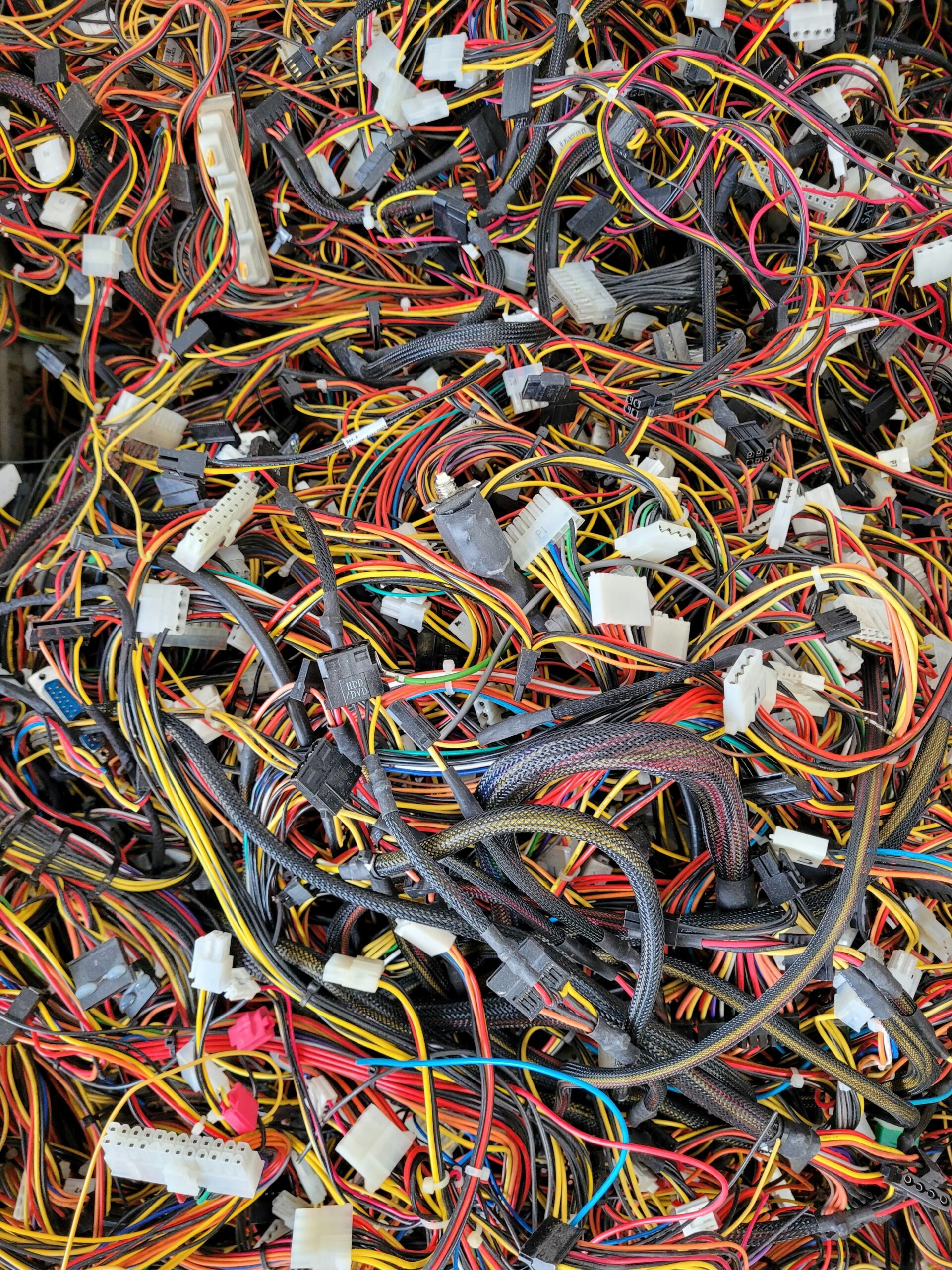



House Rewiring Experts — Safe, Compliant Work Across the UK
Rewiring a house means replacing the fixed electrical wiring and related equipment so your home is safe, has enough capacity for modern living and meets current regulations. This guide explains why rewires are necessary, the common warning signs to watch for (from frequent trips to burning smells), typical UK costs for a full rewire and the step‑by‑step process from survey to certification. You’ll also learn how to choose between a full or partial rewire, when a consumer unit (fuse box) should be upgraded, and which safety rules and certificates apply — including Part P, BS 7671 and the role of an EICR. We include realistic timelines, practical tips to minimise disruption and clear pricing guidance so you can plan your project with confidence. Downlight Electrical Ltd is the local specialist for Surrey, Hampshire and London and can offer a free, no‑obligation rewiring consultation if you’d like a site‑specific assessment.
How to Spot the Signs Your Home Needs Rewiring
If electrical equipment keeps failing, shows visible damage or safety devices aren’t protecting reliably, those are clear signs to have the wiring checked. Spotting problems early reduces the risk of fire or electric shock and helps you decide whether an inspection such as an EICR is needed. Below we list the most common symptoms homeowners see, explain why each one matters and help you decide when to call a qualified electrician for a proper assessment. That clarity also makes it easier to know when a quick repair will do versus when a full safety survey or rewire is required.
Recognising Common Electrical Symptoms That Point to Rewiring
There are a few straightforward symptoms that frequently indicate wiring faults and a possible need for rewiring. Flickering or dimming lights when other appliances start can mean overloaded or ageing cables. Sockets that feel warm or show burn marks often point to overheating or poor connections. Repeated tripping of RCDs or fuses, a persistent buzz from switches, or any burning smell are all red flags needing immediate investigation. When several of these problems appear across different circuits, a full inspection — and likely a rewire — should be prioritised to remove hidden hazards and restore safe, reliable operation.
Why a Property’s Age and Existing Wiring Matter for Safety
Older homes often still have legacy systems — knob‑and‑tube, early PVC or aluminium wiring — that don’t meet modern safety expectations and which degrade over time. These older installations are more likely to suffer loose connections, insulation failure and poor earthing, increasing the risk of fire and electric shock. For older properties, inspection intervals should be shorter; homes built before the mid‑20th century typically need EICRs more often than newer builds. Understanding how a property’s age affects wiring condition helps you decide whether monitoring is sufficient or whether a proactive full rewire is the safer long‑term option.
Electrical Safety in Domiciliary Installations: Quality, Regulations, and Testing
Current studies show that substandard domestic electrical installations across Europe have raised concerns for occupant safety. This work examines the quality of installations, periodic testing and inspection, relevant rules and regulations developed by stakeholders and enforced by statutory bodies, and the testing requirements that underpin occupier safety. It also highlights how occupancy and environmental conditions influence how often inspections are needed. An Audit in respect of the Electrical Safety Implications for Domestic Electrical Installations, 2012
How Much Does a Full House Rewire Cost in the UK?
A full house rewire replaces all fixed wiring and usually includes a consumer unit upgrade plus new sockets and switches. Price is driven by property size, access to cable routes and the overall scope of work. Smaller terraced homes cost less than larger semi‑detached or detached houses, and higher‑end finishes or extra circuit work increase labour and materials. The table below gives typical cost ranges by property size and highlights the main factors that affect price. After the table we cover how to get transparent, competitive quotes and what to check in a contractor’s scope.
Different property sizes and scopes mean very different labour hours and material requirements. Use the ranges below to set realistic expectations before you request quotes.
| Property size | Typical labour hours | Typical cost range (UK) |
|---|---|---|
| 2-bedroom flat | 60–100 hours | £3,000–£5,000 |
| 3-bedroom house | 100–160 hours | £5,000–£8,000 |
| 4-bedroom house | 160–240 hours | £6,000–£10,000 |
These figures are a practical starting point; restricted site access, high‑quality wall finishes and consumer unit work are common reasons costs fall toward the upper end. Use these ranges to check that contractor quotes sit in the expected neighbourhood.
Which Factors Drive the Cost of a House Rewire?
A number of clear variables determine the final price of a full rewire. Labour is usually the largest element and depends on how long electricians need to access walls, chase cables and reinstate finishes. Materials — cabling, trunking and the consumer unit — add a predictable cost. Property layout and wall construction (solid stone versus stud partitions) significantly affect labour time: poor access increases chasing or boxing work. Extra costs come from consumer unit upgrades, dedicated circuits for high‑demand appliances and any decorative repairs after the electrical work is finished.
How to Secure Transparent, Competitive Pricing for Rewiring
When comparing quotes, ask for an itemised scope showing labour hours, materials, consumer unit specification and testing/certification charges. Request the number of circuits, the type of consumer unit, the RCD/RCBO protection provided and whether redecoration or plaster repairs are included or quoted separately. Be wary of unusually low estimates that lack a detailed scope or omit certification and testing — those are common red flags. Reputable, transparent providers will explain assumptions about access and contingency; ask for a written summary of exclusions so there are no surprises later.
Full Rewire vs Partial Rewire — What’s the Difference?
A full rewire replaces all fixed wiring and related components across the property, while a partial rewire targets specific circuits or areas to fix identified faults or capacity shortfalls. The choice depends on how widespread the deterioration is, whether multiple circuits are affected, planned renovations and your budget. The comparison below outlines typical disruption, suitability and expected longevity so you can balance short‑term inconvenience against long‑term safety and capacity.
| Rewire type | Typical disruption | When to choose |
|---|---|---|
| Full house rewire | Significant access and redecoration work throughout the property | For very old wiring, multiple faults or full refurbishment |
| Partial rewire | Localised access and limited redecoration | For isolated faults or single‑circuit failures |
| Phased rewire | Staged disruption over a longer period | When budget or occupancy needs prevent a single project |
When to Choose a Full Rewire Instead of a Partial One
Choose a full rewire when problems are systemic rather than local. Typical triggers include multiple circuits tripping, historical wiring present throughout the property, or major renovations that expose much of the building fabric. A full rewire is also sensible when you’re future‑proofing for modern electrical loads (EV chargers, powerful HVAC) or when you want reliable certification for resale. Although more disruptive up front, a full rewire removes repeated repair bills and reduces long‑term safety uncertainty.
Benefits and Disruption: What to Expect from Each Option
Both approaches have trade‑offs. Full rewires deliver complete modernisation, greater capacity and long‑term safety benefits, but involve more access work, plaster repairs and redecorating across several rooms. Partial rewires minimise immediate upheaval and cost but can leave legacy wiring that still poses a risk elsewhere in the home. Plan mitigation: staged works, protective covers, clear schedules and agreed redecoration responsibilities will keep disruption manageable.
How a Domestic Rewire Typically Works
A domestic rewire follows a sensible, step‑by‑step process from survey to handover to make sure the installation is safe and compliant. The sequence starts with a detailed survey and scope, moves to preparation and strip‑out, then on to installation of new circuits and a consumer unit upgrade if needed, and finishes with comprehensive testing and handover paperwork. Knowing these steps helps you protect furniture, plan timings and reduce surprises. The numbered list below shows a typical timeline and what you’ll need to do at each stage.
- Survey and quote: A measured inspection establishes the scope and produces an itemised estimate.
- Preparation and strip-out: Furniture is protected and circuits safely isolated before cable removal and surface preparation.
- Wiring and installation: Electricians fit new cabling, sockets, switches and the consumer unit as specified.
- Testing and certification: Full electrical tests and an EICR or equivalent certificate confirm compliance and are handed over.
These stages create a predictable workflow that reduces surprises; good communication and a written schedule from your contractor further limit disruption and set clear expectations for completion.
Key Tasks in a Home Rewiring Project
The project focuses on safety, access management and verification, with clear responsibilities for both homeowner and electrician. The survey identifies cable routes, circuit counts and any special requirements — use this stage to agree timings and protections for valuable finishes. During strip‑out, protective coverings are installed and circuits isolated before removal. Installation follows the agreed routes, with tests at each stage and a final inspection that produces the test records and certification you’ll need for safety and conveyancing.
How Downlight Electrical Delivers Safe, Professional Installations
At Downlight Electrical Ltd we build trust through clear communication and dependable workmanship. Every project follows current UK wiring standards and includes documented testing and handover records. Our homeowner protections include a transparent project schedule, effective dust‑control measures and a tidy handover to minimise decorative disruption. We keep you informed throughout, explain any scope changes and always provide the safety checks and certification agreed at the start.
Which UK Safety Certificates and Regulations Apply to Rewiring?
Domestic rewiring is governed by regulations and certificates that prove compliance and protect homeowners. Key items are Part P of building regulations, the IET Wiring Regulations (BS 7671) and Electrical Installation Condition Reports (EICR). Part P covers when work must be notified to building control, BS 7671 sets the technical wiring standards, and an EICR records the installation’s condition and any remedial actions. Below we explain each requirement in plain English and outline their practical relevance for insurance, conveyancing and ongoing safety.
How Part P and the 18th Edition Wiring Regulations Affect Rewires
Part P requires certain domestic electrical work to be notified to building control unless carried out by a registered competent person, ensuring basic safety standards are upheld. The IET Wiring Regulations (the 18th Edition) set the technical rules electricians must follow for cable selection, circuit protection and earthing to prevent fire and electric shock. Compliance is evidenced by test records and completion certificates, which are important for insurers and when selling a property. Contractors should explain notification responsibilities and supply the appropriate certificates at handover.
UK Wiring Regulations, 18th Edition: A Concise Guide
The 18th Edition of the IET Wiring Regulations is the current standard for electrical installations in the UK. Electrical installation work must comply with these regulations to ensure safety and reduce hazards. This concise pocket guide summarises the key points of the 18th Edition. Wiring Regulations Pocket Book, 2021
Why an EICR Matters for Homeowners
An Electrical Installation Condition Report (EICR) records the condition of an installation and flags defects using codes such as C1 (danger present), C2 (potentially dangerous) and C3 (improvement recommended). Recommended inspection intervals vary by property type and use, but an EICR gives a clear, actionable plan for remedial work and timing for any necessary rewire. For homeowners, an EICR is useful evidence for insurers and prospective buyers and helps you decide between local repairs and a full rewire based on factual findings.
BS 7671: An Explanation of the 18th Edition Wiring Regulations
Compliance with the current British Standard, BS 7671 Requirements for Electrical Installation, is mandatory for electrical work. At the time of writing, the prevailing standard is the 18th Edition issued in 2019. Following these regulations helps ensure the safety and integrity of electrical systems. Wiring and Lighting, 2019
How Upgrading the Consumer Unit Improves Home Safety
Modern consumer units (fuse boxes) boost safety by providing RCD protection, MCBs and optional surge protection to reduce the risk of shock, fire and damage to appliances. Replacing an old consumer unit is often the most cost‑effective step to improve protective systems. Upgrading during a rewire ensures protective devices suit the new circuits and adds modern fault detection older units lack. The section below compares consumer unit types, explains when replacement is needed and summarises the safety expectations for 2025 so you can plan an upgrade that reduces long‑term risk.
| Consumer unit type | Key safety feature | Typical benefit |
|---|---|---|
| Basic MCB unit | Overcurrent protection via MCBs | Prevents circuit overloads |
| RCD-protected unit | RCD for residual current protection | Reduces risk of electric shock |
| Surge-protected unit | Integrated surge protection device | Protects appliances from voltage spikes |
Fitting an RCD‑equipped or surge‑protected consumer unit addresses two common safety gaps in older installations: missing residual‑current protection and no surge mitigation. Both upgrades reduce fire risk and help protect appliances from damage.
When Should a Fuse Box Be Replaced During a Rewire?
Replace the consumer unit if it lacks basic protection devices, shows visible damage, uses old fuses instead of modern breakers, or if aluminium wiring or historic installation methods are present. Replacement is also needed if the unit can’t accept required new circuits or modern protection such as RCDs and MCBs. Consumer unit replacement typically adds a modest amount of labour to a full rewire but delivers significant safety benefits and makes future maintenance simpler. Always ask for the proposed unit specification to ensure it meets current expectations and leaves spare ways for future needs.
What Are the Expected Consumer Unit Safety Standards for 2025?
Current expectations favour default RCD protection for final circuits, greater use of combined RCBOs for selective protection and stronger recommendations for surge protection where sensitive electronics or lightning risk are a concern. These 2025‑focused updates aim to reduce residual current risk and protect valuable equipment from transient overvoltage. For homeowners, a modern consumer unit gives clearer protection, simpler fault identification and greater resilience to electrical incidents — helping to provide peace of mind and supporting insurance discussions.
Downlight Electrical Ltd is the local partner for homeowners who want a clear next step. We offer expert rewiring consultations across Surrey, Hampshire and London and provide transparent, itemised quotes so you can compare scope and price. If you’d like a property‑specific assessment and a competitive quote for a rewire or a consumer unit upgrade, request a free rewiring consultation to receive a written proposal outlining the work, timing and certification.
Conclusion
Rewiring keeps your home safe, compliant and ready for modern life. By recognising warning signs, understanding likely costs and following a clear process, you can make informed decisions that protect people and property. For tailored advice and transparent quotes, contact Downlight Electrical Ltd for a free rewiring consultation — take the first step toward a safer, more reliable electrical system today.