



EV Home Charging vs. Public Charging – Which is Your Best Bet?
Electric vehicles offer the flexibility of charging up at home or on the go. Deciding between home EV charging and public charging stations boils down to convenience, cost, speed, and your typical driving habits. Home charging is perfect for overnight top-ups with potential savings on your electricity bill, while public networks provide rapid charging and extensive coverage. This guide dives into charger types, installation needs, financial incentives, network reliability, and the overall cost of ownership in the UK. You’ll also discover which lifestyle factors favour each option and how Downlight Electrical’s expert EV charger installation services transform your charging routine from the ground up.
What's the Real Difference Between Home EV Charging and Public Charging?
Home EV charging means topping up your vehicle’s battery at your private residence using a dedicated charger, typically delivering up to 7 kW of power. You can even schedule charging for off-peak hours to save money. Public charging stations, found in commercial areas or along motorways, are commercial units offering Level 3 rapid or ultra-rapid power outputs (50 kW to 350 kW) for quick boosts when you’re out and about.
Here are the key distinctions:
- Where you charge: Your own driveway or garage versus public car parks, service stations, or town centres.
- Power output: Usually 3–7 kW at home compared to 50–350 kW when out and about.
- How you pay: A flat electricity rate at home versus per kWh pricing at public points.
- Availability: Always ready at home versus potential queues or unavailability at public stations.
Understanding these differences will help you explore how home charging actually works in practice.
How Does Charging Your EV at Home Actually Work?
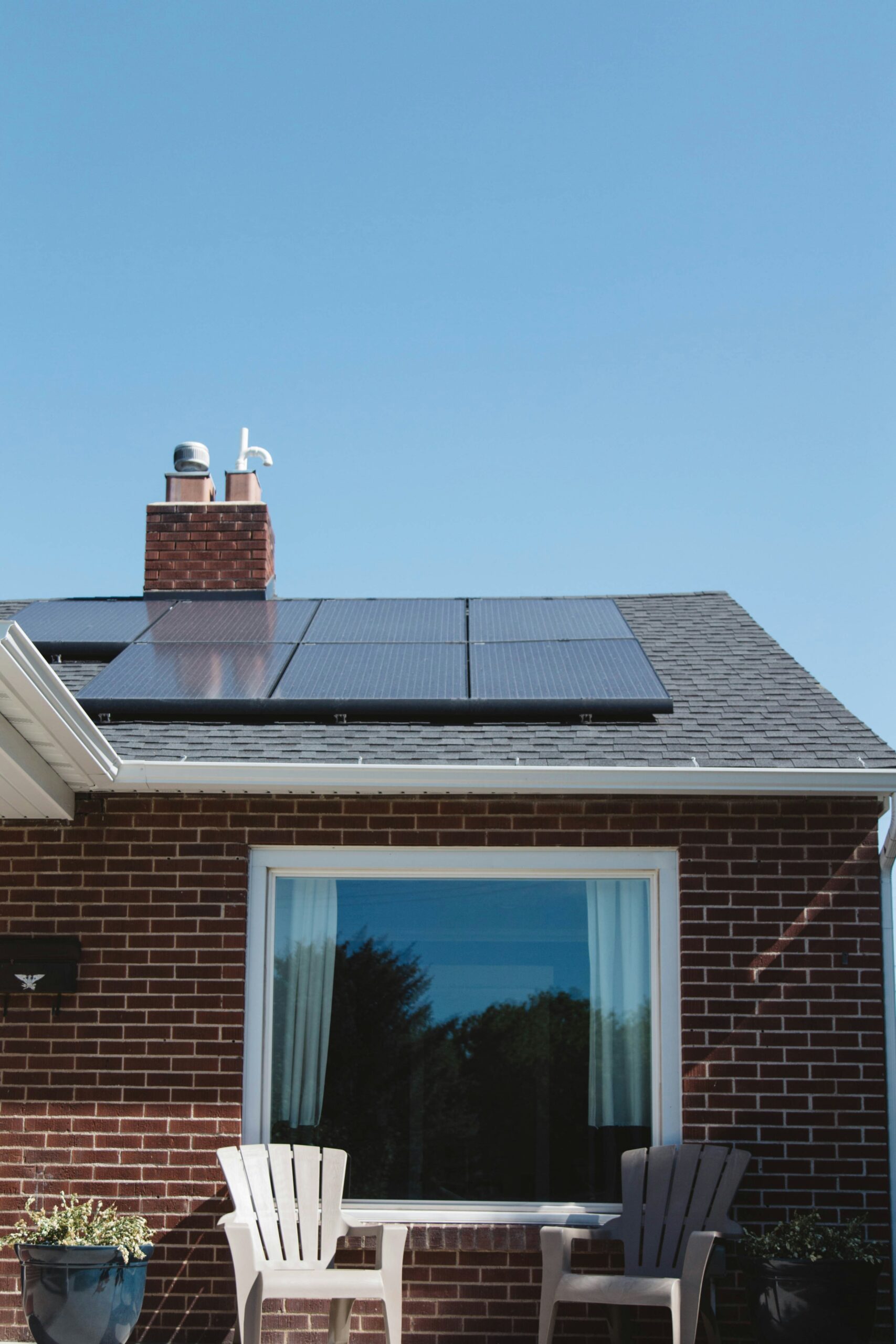
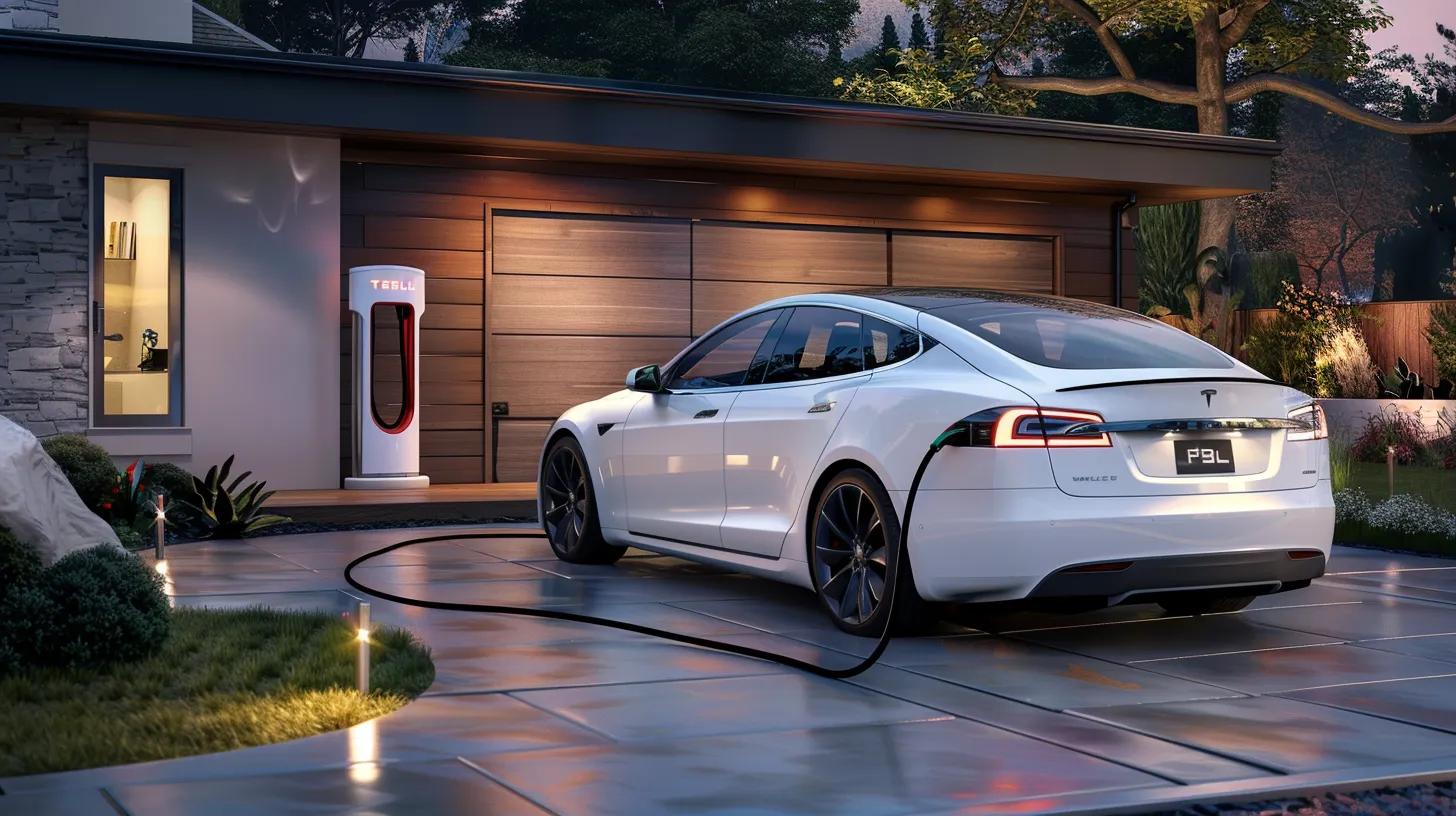
Home charging involves a dedicated wall-mounted unit connected to your home’s electricity supply via a protected circuit. The charger communicates with your vehicle’s onboard charger to manage the flow of electricity safely. You can schedule charging to take advantage of cheaper off-peak electricity tariffs, significantly cutting running costs. Built-in safety features monitor temperature, earth leakage, and cable condition. Smart chargers even offer app control for setting charging times, tracking energy use, and integrating with your solar PV system.
This setup seamlessly leads us to understanding public charging infrastructure.
What Exactly Are Public EV Charging Stations?
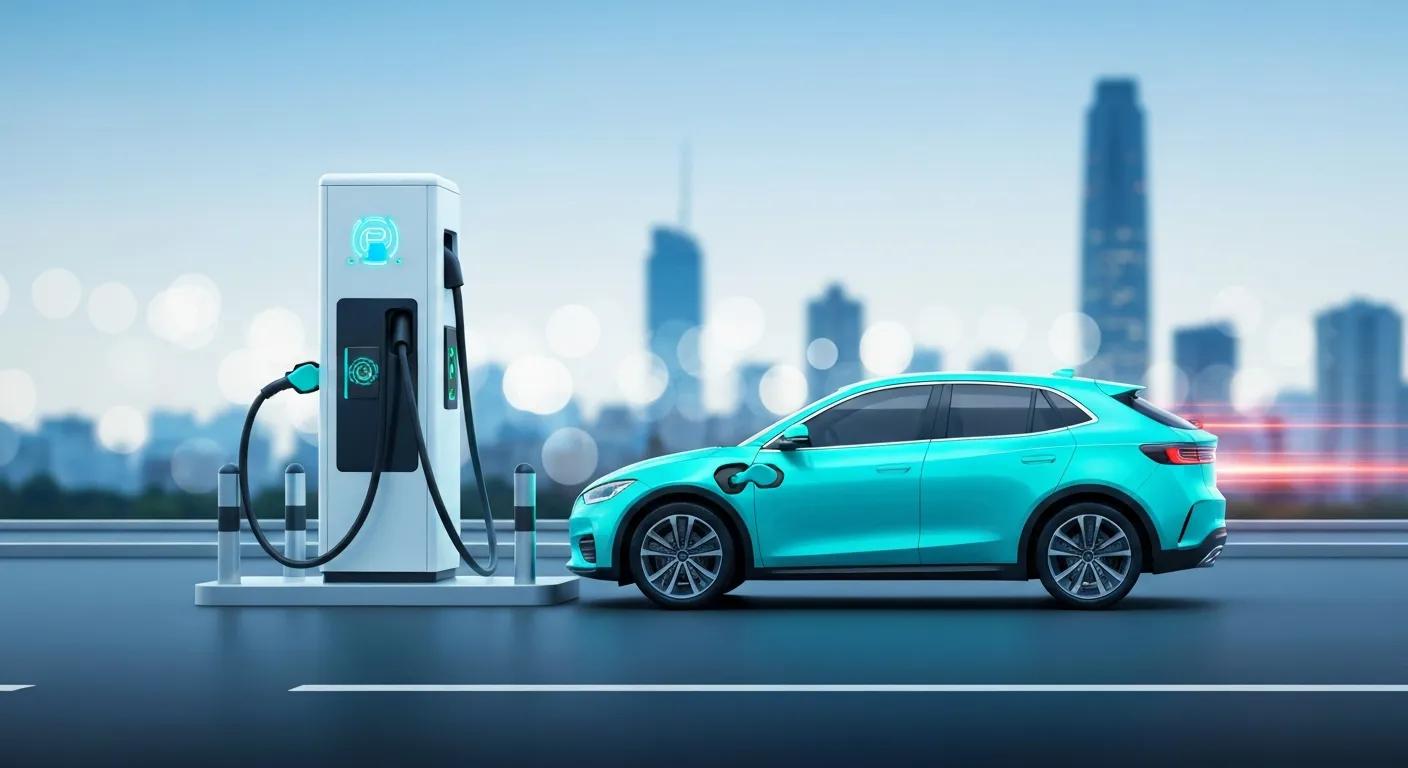
Public EV charging stations are part of networks operated by various providers, located in town centres, at service stations, and in retail car parks. They range from slower AC chargers (7–22 kW) to rapid DC chargers (50–150 kW) and ultra-rapid hubs (150–350 kW). Each station connects to a central system for billing, user identification (via RFID card or app), and real-time status updates. Public chargers are designed to serve multiple vehicles, require regular maintenance, and depend on local grid capacity and planning permissions.
With these differences in mind, let’s look at the specific charger types available for both home and public use.
What Charger Types Are Available for Home and Public Use?
| Charger Type | Power Output | Typical Location | Charging Speed |
|---|---|---|---|
| Level 1 (AC) | 2–3 kW | Home (domestic) | Adds 10–20 miles of range per hour |
| Level 2 (AC) | 7 kW | Home, Workplace | Adds 25–30 miles of range per hour |
| Rapid (DC) | 50 kW | Public | Adds 60–80 miles of range in 30 minutes |
| Ultra-Rapid (DC) | 150–350 kW | Public Motorway Services | Adds 150 miles of range in 20 minutes |
Home chargers are designed for convenient overnight charging, while rapid and ultra-rapid units are ideal for longer journeys.
What Are the Upsides and Downsides of Charging Your EV at Home?
Charging your EV at home offers fantastic convenience, better cost control, and integration with smart home energy systems. However, it does require an initial installation cost and potentially some electrical upgrades.
How Does Home Charging Save You Money Compared to Public Charging?
Charging at home typically costs between £0.14–£0.18 per kWh on off-peak tariffs, a stark contrast to the £0.45–£0.59 per kWh you might pay at public rapid chargers. This can lead to savings of up to 70 percent over time. By scheduling your charging for overnight, you avoid peak-rate charges and can even utilise green energy from your rooftop solar panels, further reducing your running costs.
The Big Cost Difference Between Home and Public EV Charging in the UK
Charging an electric vehicle at home, especially by taking advantage of off-peak electricity tariffs, is significantly more cost-effective than relying on public charging stations. Home charging rates can be as low as 7p/kWh, while public rapid chargers can cost upwards of 70p/kWh. This difference translates into substantial annual savings for drivers who primarily charge at home.
This research strongly supports our comparison of charging expenses, highlighting the clear financial advantages of home EV charging over public options.
What Installation Requirements Are Needed for a Home EV Charger?
Installing a home EV charger requires a dedicated 32 A radial circuit, a Type B RCD, and appropriate cable management from your consumer unit to the charger’s location. If your property was built before 1990, you might need to upgrade your consumer unit or add extra earthing arrangements. A qualified electrician will assess your property’s load capacity, earthing integrity, and the best cable route.
How Can OZEV Grants Help Reduce Home Charger Installation Costs?
The UK government’s OZEV grant can cover up to £350 of the hardware and installation costs for eligible households. To qualify, you need to own or lease a qualifying electric vehicle and have dedicated off-street parking. Your installer will handle the grant application for you, reducing your upfront expense and speeding up your return on investment.
OZEV EV Chargepoint Grant for Home Charging Explained
The UK government’s Office for Zero Emission Vehicles (OZEV) provides a grant of up to £350 towards the purchase and installation of a home electric vehicle charging point. This grant is particularly beneficial for homeowners living in flats or those in rented properties who have dedicated off-street parking, making EV charging infrastructure more accessible and affordable.
This information directly backs up our point that OZEV grants can significantly lower the cost of home charger installation for eligible homeowners.
What Smart Charging Features Make Home EV Charging Even Better?
Smart chargers connect to your home network via Wi-Fi or Ethernet, offering a range of intelligent features:
- Scheduled charging: Set your charger to operate during off-peak hours.
- Dynamic load balancing: Manages power distribution with other household appliances.
- Real-time energy monitoring: Track your energy usage instantly.
- Remote control: Start or stop charging using a mobile app.
- Solar PV integration: Connect with your solar panels and battery storage systems.
These features help balance your home’s energy use and maximise your savings, before we move on to the specifics of public charging.
Explore the Benefits and Tradeoffs of Home vs. Public EV Charging
Public charging networks offer greater travel flexibility, high-speed charging options, and support the growth of EVs in urban areas. However, they can come with higher costs, variable reliability, and potential waiting times.
How Reliable Are Public EV Charging Networks in the UK?
The UK has a rapidly growing network of over 84,000 public charging devices, with Greater London having the largest share. Coverage is steadily expanding to meet the 2030 target of 300,000 points. Most major providers aim for 95 percent uptime, but you might find fewer options or occasional service interruptions in rural areas. It’s always a good idea to plan your routes and check network apps before setting off.
UK Public EV Charging Network Growth and 2030 Targets
The UK’s public electric vehicle charging network is expanding at an impressive pace, with over 84,000 devices available as of mid-2025. The government has set an ambitious goal to increase this number to 300,000 public charge points by 2030, which is a tenfold increase from 2022 figures, all to support the increasing adoption of electric vehicles.
This information confirms the statistics and future targets for the UK’s public EV charging infrastructure as presented in this article.
What Are the Typical Costs of Public EV Charging Compared to Home Charging?
Public charging prices differ depending on the provider, location, and the speed of the charger. On-street AC chargers usually cost around £0.30 per kWh, while DC rapid hubs can range from £0.45 to £0.59 per kWh. Some providers offer subscription plans that reduce the per-kWh rate, but these often come with a monthly fee. In contrast, home charging uses your standard domestic electricity rates, offering much more predictable budgeting.
How Fast Can You Charge Your EV at Public Stations?
Rapid chargers (50 kW) can add 60–80 miles of range in about 30 minutes. Ultra-rapid units (150–350 kW) can provide up to 150 miles of range in just 20 minutes. Keep in mind that the actual charging speed also depends on your vehicle’s charging capability, its current battery level, and the outside temperature.
What Common Issues Do Users Face with Public Charging?
Drivers often run into these common problems:
- Availability: Finding an available charger during busy periods.
- Payment issues: Problems with payment terminals or app authentication.
- Compatibility: Charger connectors not always fitting all vehicle types.
- Accessibility: Difficulty reaching chargers in busy car parks.
To overcome these hurdles, consider using apps to check availability, carrying different adapter types, and sticking to well-known charging networks.
How Do Home and Public EV Charging Costs Compare in the UK?
A thorough cost analysis needs to consider installation expenses, electricity tariffs, how often you charge, and vehicle depreciation to get a true picture of the total cost of ownership for each charging solution.
What Are the Average Installation Costs for Home EV Chargers in the UK?
The hardware for a Level 2 home EV charger typically costs between £350 and £600. Professional installation, including labour, any necessary circuit upgrades, and certification, usually falls between £200 and £400. Prices might be slightly higher in areas like Surrey or London due to local labour rates. For more information, visit electric vehicle charging installers.
How Do Electricity Tariffs Affect Home Charging Expenses?
Off-peak tariffs from energy suppliers like Octopus Agile or Economy 7 can offer rates as low as £0.10–£0.12 per kWh overnight. By automatically scheduling your charging sessions, you can significantly reduce your annual electricity bills by hundreds of pounds compared to charging during peak hours.
What Is the Total Cost of Ownership When Choosing Home vs Public Charging?
| Cost Component | Home Charging | Public Charging |
|---|---|---|
| Installation | £550 average | N/A |
| Electricity (per kWh) | £0.14–£0.18 | £0.45–£0.59 |
| Annual Running Costs | £300–£500 | £900–£1,200 |
| Convenience Factor | 5/5 | 3/5 |
Opting for home charging, with its lower per-kWh rate, can lead to a 60–70 percent reduction in annual running costs compared to relying heavily on public charging.
How Can Businesses Benefit from Commercial EV Charger Installation in Surrey?
Commercial clients can attract environmentally conscious employees, cut down on fleet operating costs, and boost their brand image by offering workplace charging. Downlight Electrical provides tailored solutions for offices, hotels, and fleet depots, including multiple charging points, integrated payment systems, and site-wide load management to optimise energy use and prepare for the future.
Which EV Charging Option Is Best for Your Lifestyle and Vehicle Use?
The decision between home and public charging depends on your driving habits, where you live, your budget, and your vehicle’s range requirements.
What Factors Should Influence Your Choice Between Home and Public Charging?
Here are the main things to consider:
- Daily mileage: How far do you typically drive each day?
- Parking: Do you have off-street parking or a garage?
- Budget: How much can you invest in a home charger installation?
- Long trips: How often do you take long journeys?
- Public network access: How good is the public charging infrastructure in your area?
By carefully considering these points, you can ensure your charging solution perfectly matches your needs.
Can a Hybrid Charging Approach Offer the Best of Both Worlds?
Absolutely! Combining home and public charging offers the ultimate flexibility. You can handle your routine top-ups conveniently at home to keep costs down, while using rapid public chargers for longer trips. Smart route planning apps can even help you locate charging stations and integrate them with your home charging schedule, ensuring you never have to worry about range anxiety.
How Does Vehicle Range and Usage Affect Charging Needs?
Electric vehicles with longer ranges (200+ miles) require less frequent charging, making home charging perfectly adequate for most drivers. Shorter-range models (100–150 miles) might benefit more from regular use of rapid public chargers. If you’re a city driver with a daily commute, convenient curbside or workplace chargers can be essential for keeping your vehicle ready to go.
Why Choose Professional EV Charger Installation Services from Downlight Electrical?
Partnering with a qualified electrical contractor is key to ensuring your home or commercial EV charging setup is compliant, safe, and performs optimally.
What Makes Downlight Electrical a Trusted EV Charger Installer in Surrey, Hampshire, and London?
Established in 2018, Downlight Electrical has built a strong reputation for clear pricing, exceptional workmanship, and a customer-focused approach. As an NICEIC accredited and fully insured company, we operate with the ethos of being “small enough to care and large enough to cope,” serving both domestic and commercial clients across the South of England. Find out more about us
How Does Professional Installation Ensure Safety and Compliance?
A certified installer will verify your electrical system’s load capacity, install the necessary protective RCDs, and test earth fault paths to meet Building Regulations Part P. Our OZEV-approved technicians ensure your eligibility for grants and compliance with all regulations. Plus, you’ll receive post-installation certification for complete peace of mind.
What Is the Process for Home and Commercial EV Charger Installation?
Downlight Electrical follows a straightforward five-step process:
- Site Survey: We’ll assess your electrical supply and the ideal charger location.
- Design & Quotation: You’ll receive a clear, itemised quote with transparent costs.
- OZEV Grant Application: We’ll handle all the paperwork for you.
- Installation: Our team will install the charger, circuit, and all protective devices.
- Certification & Handover: We’ll provide certification, demonstrate the charger, and share test results.
For domestic EV charger installations, you can explore our dedicated services on the Domestic Electrical Services page.
How Can Businesses Benefit from Downlight Electrical’s Commercial EV Charging Solutions?
Commercial clients can enhance employee satisfaction, reduce fleet downtime, and support their corporate sustainability goals with our workplace charging infrastructure. Downlight Electrical offers scalable EV charging solutions, from single units to multi-bay installations, complete with integrated monitoring and maintenance packages. Discover more on our Commercial Electrical Services page.
What Are the Latest Trends and Future Outlook for EV Charging in the UK?
The UK’s charging landscape is evolving rapidly, driven by government targets, technological advancements, and the increasing popularity of electric vehicles.
How Is the UK Public EV Charging Network Expanding?
With public charge points increasing by 30 percent year-on-year, the network now features over 84,000 devices. Government plans aim to reach 300,000 stations by 2030, with a focus on improving coverage in rural areas and ensuring seamless charging in urban environments to eliminate ‘charging deserts’.
What Are the Emerging Technologies in Home and Public EV Charging?
Exciting innovations include vehicle-to-grid (V2G) systems that enable two-way energy flow, ultra-fast 350 kW chargers capable of adding significant range in under 15 minutes, and AI-powered load-balancing software that intelligently adjusts charging speeds based on grid conditions. Home chargers are increasingly incorporating battery integration for enhanced off-grid resilience.
How Do Government Policies and Grants Support EV Charging Adoption?
OZEV grants, workplace charging schemes, and Local Electric Vehicle Infrastructure (LEVI) funding are injecting over £800 million into chargers, grants, and network upgrades. Upcoming regulations will also require new homes and commercial buildings to be built with charger-ready wiring, embedding EV infrastructure from the outset.
Charging your electric vehicle is as much about fitting your lifestyle as it is about power and price. Whether you prefer the convenience of overnight charging at home or the speed of public charging on the go, making informed choices can lower costs, minimise downtime, and ensure your journeys are always uninterrupted. Partnering with Downlight Electrical brings you professional installation, expert grant assistance, and local knowledge, so you can charge with confidence across Surrey, Hampshire, and London. Get in touch today to discuss the perfect EV charging solution for your home or business and drive towards a cleaner, more efficient future.