



The Environmental Perks of Switching to Home EV Charging in the UK: How It Slashes Your Carbon Footprint and Boosts Air Quality
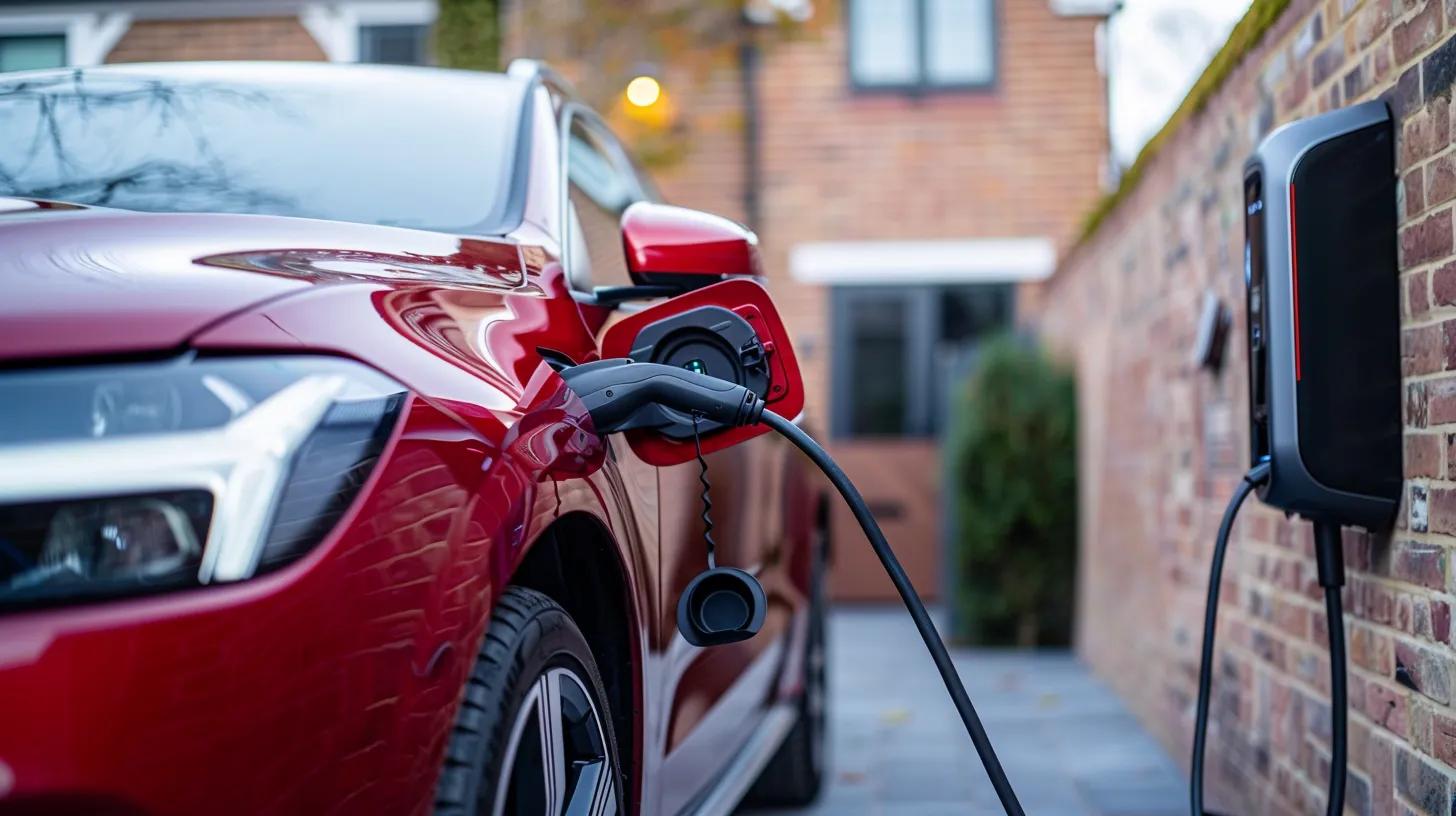
Upgrading to a home EV charging setup can slash personal transport emissions by as much as two-thirds when compared to petrol cars, directly cutting down your carbon footprint and improving the air quality in your local area. This shift not only supports the UK’s ambitious net zero goals but also brings about savings on your bills and contributes to cleaner neighbourhoods. In this guide, we’ll explore how charging your electric vehicle at home reduces greenhouse gases, enhances urban air quality, makes the most of renewable energy, utilises smart charging tech, helps you access UK government grants, advances wider sustainability aims, and clears up common environmental myths. Homeowners and businesses throughout Surrey, Hampshire, and London will find practical advice for choosing eco-friendly EV charger installation services.
How Does Home EV Charging Help Reduce Your Carbon Footprint?
What Exactly Is Carbon Footprint Reduction Through Home EV Charging?
Carbon footprint reduction via home EV charging means cutting down on greenhouse gas emissions by powering your electric vehicle with a low-carbon electricity source instead of relying on petrol or diesel. By drawing power from the national grid – which now gets over 40 percent of its energy from renewables – home charging eliminates direct CO₂ emissions from your vehicle’s exhaust to zero and lowers overall lifecycle emissions. For instance, charging your EV overnight using an off-peak electricity tariff reduces your dependence on burning fossil fuels and directly supports the use of cleaner energy right where you charge, setting the stage for measurable emission savings in future calculations.
EVs Are Significantly Cleaner Over Their Entire Lifespan Than Petrol or Diesel Cars
A thorough study by the International Council on Clean Transportation (ICCT) suggests that electric vehicles in Europe produce nearly four times fewer greenhouse gases throughout their entire life compared to traditional internal combustion engine (ICE) vehicles. The research indicated that even when accounting for the manufacturing process, EVs generate 73% less greenhouse gases over their lifespan, with a predicted 24% improvement in emissions since 2021 thanks to the increasing share of renewable energy generation.
This research directly backs up the article’s assertion that switching to home EV charging substantially reduces your carbon footprint by highlighting the significant lifecycle emission savings EVs offer compared to petrol vehicles.
How Much Carbon Emission Can You Save by Charging at Home?
Here’s a look at the average annual CO₂ emission savings you can achieve by charging a mid-sized electric car at home versus refuelling a comparable petrol car. These figures include emissions from energy production and reflect the ongoing improvements in the UK’s electricity mix.
| Vehicle Type | Annual CO₂ Emissions | Comparative Saving |
|---|---|---|
| Petrol Saloon | 2,300 kg CO₂ | — |
| Midsized EV (Home Charged) | 780 kg CO₂ | 1,520 kg CO₂ less |
How Does Home EV Charging Stack Up Against Petrol and Diesel Vehicles?
Charging your EV at home produces zero tailpipe emissions, while petrol and diesel cars release nitrogen oxides, CO₂, and harmful particulates with every drive. Over a typical year of driving in the UK (covering 10,000 miles), an internal combustion engine (ICE) vehicle emits approximately 2.3 tonnes of CO₂, compared to less than 0.8 tonnes when charging at home using the current grid mix. This stark contrast in direct emissions highlights the vital role of electric power in cutting transport-related greenhouse gases and encourages us to consider integrating renewables for even greater reductions.
What Part Does Renewable Energy Play in Cutting Carbon Emissions?
Connecting your home EV charger to renewable energy sources further slashes emissions by replacing grid-average electricity with clean power generation:
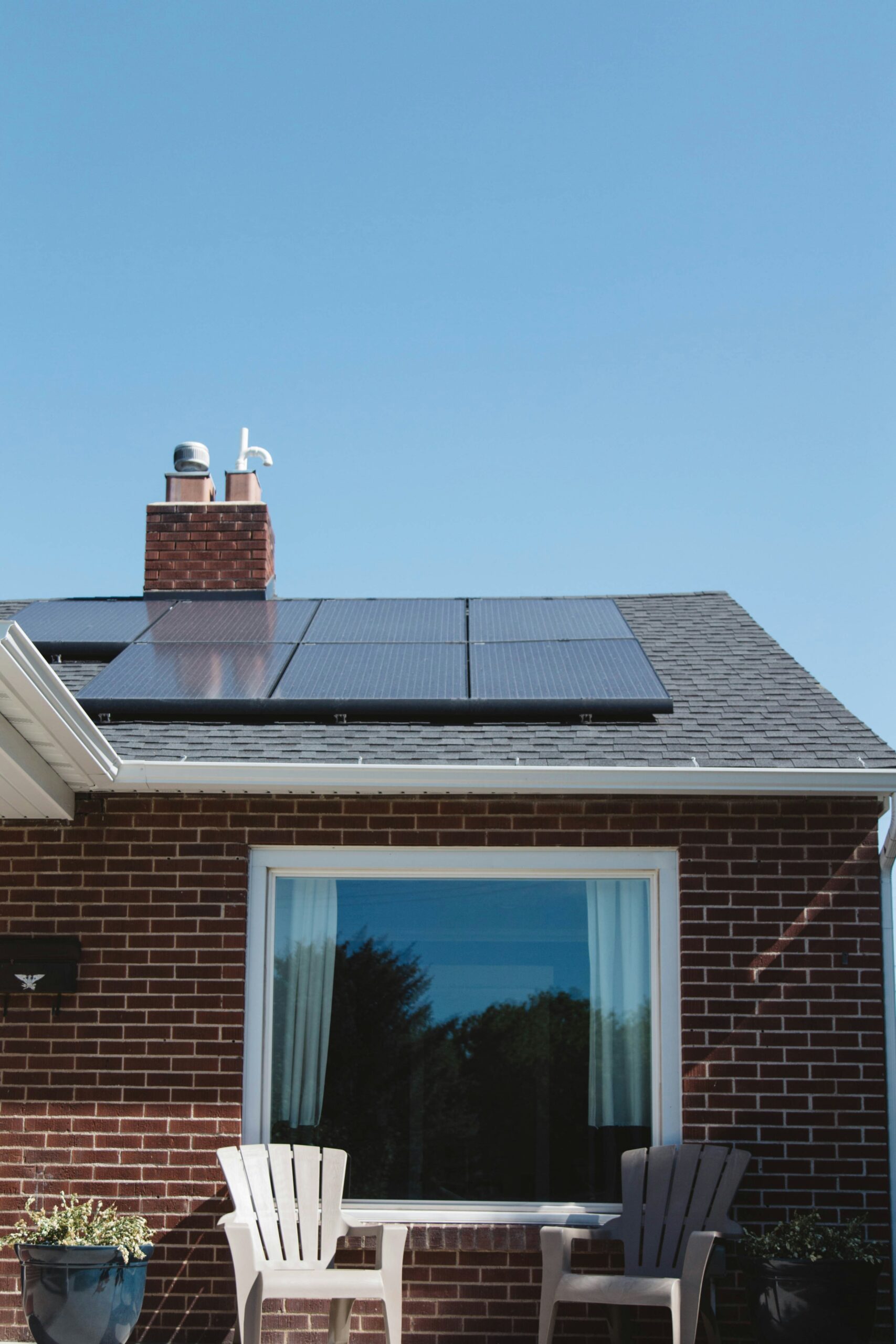
- Solar panels on your roof can directly power your EV charger during the day, reducing your reliance on the grid during peak hours.
- Small wind turbines can supply renewable electricity overnight when demand is typically lower, helping to reduce the carbon intensity of the grid.
- Home battery storage systems can store surplus renewable energy generated during sunny or windy periods, allowing you to charge your EV when you need it most.
Maximising the use of renewable energy transforms home EV charging into an almost zero-carbon process and guides the transition towards truly sustainable transportation.
What Are the Air Quality Benefits of Charging Your EV at Home?
Which Pollutants Are Reduced by Using Home EV Chargers?
Charging your electric vehicle at home means eliminating tailpipe emissions of nitrogen oxides (NOₓ), particulate matter (PM₂.₅), and volatile organic compounds – all of which contribute to smog and respiratory problems. By shifting refuelling from petrol stations to the electric grid, local roads experience fewer spikes in NOₓ, leading to healthier urban environments and less pollution at the roadside.
How Does Zero Tailpipe Emission Improve Local Air Quality?
| Pollutant | Petrol Car per km | EV Tailpipe |
|---|---|---|
| NOₓ | 0.2 g | 0 g |
| PM₂.₅ | 0.005 g | 0 g |
| CO | 1.0 g | 0 g |
These reductions in emissions help to decrease pollution hotspots in urban areas and pave the way for healthier communities.
UK Air Quality Showed Clear Improvement from 2015 to 2024 but Breaching of Targets Remains Very Common
New research from the University of Reading, analysing data from over 500 UK air monitoring stations, has concluded that the growth of the UK’s EV fleet and the implementation of Clean Air Zones have led to significant improvements in air quality. The study, published in Environmental Science: Atmospheres, found that average levels of nitrogen dioxide (NO₂) dropped by 35% and PM₂.₅ particles decreased by 30% between 2015 and 2024.
This study directly confirms the article’s points about the reduction of pollutants like nitrogen oxides and particulate matter, and the overall enhancement of local air quality due to the increasing adoption of electric vehicles across the UK.
What Are the Health Benefits of Improved Air Quality from EV Charging?
Better air quality resulting from zero-emission charging supports healthier respiratory systems, reduces flare-ups of asthma and COPD, and contributes to better cardiovascular health. Cleaner air also leads to fewer hospital admissions linked to pollution, creating wider societal advantages beyond individual transport choices and strengthening the argument for home EV charging.
How Can Integrating Renewable Energy Make Home EV Charging Even More Sustainable?
How Do Solar Panels and Wind Power Support Home EV Charging?
Solar panels installed on rooftops can directly supply power to your EV charger during daylight hours, while small-scale wind turbines can provide renewable electricity when solar output is low. This combination reduces your reliance on grid electricity and increases the amount of clean energy you use yourself, making home charging more environmentally friendly and cost-effective.
What Are the Advantages of Using Green Electricity for EV Charging?
Opting for certified green electricity tariffs ensures that every kilowatt-hour used to charge your EV is matched by renewable energy generation. This lowers the carbon footprint of your charging and supports investment in clean energy infrastructure. You can also benefit from cost savings through preferential off-peak rates, which further reduce your charging expenses.
Can You Power Your EV Entirely with Renewable Energy at Home?
Absolutely. With the right setup, including solar PV, wind turbines, home battery storage, and smart energy management systems, some households can achieve nearly 100 percent renewable charging. Implementing time-of-use charging and vehicle-to-home (V2H) systems maximises the use of self-generated clean power and can effectively turn your EV into an extension of your home’s renewable energy ecosystem.
What Is Smart Charging and How Does It Enhance Environmental Benefits?
How Does Smart Charging Optimise Energy Use and Reduce Emissions?
Smart charging systems intelligently adjust your EV’s charging schedule to align with periods of low carbon intensity on the grid and when renewable energy is abundant. By delaying charging until renewable energy generation is at its peak, smart chargers can reduce average CO₂ emissions by up to 10 percent and contribute to grid flexibility.
How Smart EV Charging Is Transforming the UK's Transport Sector
National Grid ESO reports that smart EV charging has prevented an estimated 1.2 million tonnes of CO₂ emissions by optimising charging during times of high renewable energy generation. In January 2024, smart charging systems successfully directed over 68% of all EV charging to occur during renewable energy peaks, making effective use of clean electricity.
This information supports the article’s discussion on how smart charging optimises energy consumption, cuts emissions by capitalising on renewable energy peaks, and contributes to grid flexibility and decarbonisation efforts in the UK.
What Are the Advantages of App-Controlled and Automated EV Charging?
Charging controlled via an app gives you precise command over when charging starts and stops, the charging speed, and how to optimise your electricity tariff. Automated features can pause charging during periods of high grid demand or ramp up when solar power is being exported, delivering both cost savings and improved environmental performance without you needing to lift a finger.
Can Smart Charging Aid Grid Decarbonisation in the UK?
When implemented across thousands of homes, smart charging synchronises EV energy demand with renewable energy supply and grid support services. This promotes grid stability and accelerates the UK’s transition to clean energy. Bi-directional charging (V2G) capabilities can even send stored EV energy back to the grid during peak demand times, further boosting decarbonisation initiatives.
What Government Grants and Incentives Are Available for Eco-Friendly Home EV Charging?
What Is the OZEV Grant and Who Qualifies?
The OZEV (Office for Zero Emission Vehicles) grant provides a discount of up to £350 towards the cost of installing a home chargepoint for homeowners and private tenants who have dedicated off-street parking. Eligibility criteria include the type of property, the specifications of the charger, and installation by an OZEV-approved electrician.
How Can Grants Reduce the Cost of Installing a Home EV Charger?
By applying the OZEV grant, the initial cost of installing a 7 kW smart charger can be reduced by approximately 30 percent, making the switch to electric mobility more accessible. When combined with off-peak electricity tariffs and potential renewable energy integrations, homeowners can achieve a quick return on investment and enjoy long-term savings.
How Does Downlight Electrical Help with Grant Applications?
Downlight Electrical guides clients through the entire OZEV application process, from checking parking eligibility to arranging for installer accreditation. By managing the paperwork, conducting site assessments, and ensuring compliance, our team based in Surrey ensures successful grant approval and delivers a smooth, cost-effective home charger installation.
How Does Home EV Charging Support Wider Sustainability Goals for Homes and Businesses?
How Do Home EV Chargers Contribute to the UK's Net Zero Targets?
Home EV charging replaces the use of fossil fuels for transport with electric mobility, directly cutting CO₂ emissions in line with the UK’s 2050 net zero objectives. Every charge taken benefits from an increasingly renewable-powered grid, amplifying the impact on national carbon reduction strategies.
What Are the Economic and Social Benefits of Sustainable EV Charging?
Beyond the environmental advantages, home EV charging creates economic value through lower fuel expenses, increased property appeal, and potential income from vehicle-to-grid services. Socially, it leads to cleaner streets, quieter neighbourhoods, and positions communities as leaders in sustainability practices.
How Are Businesses in Surrey, Hampshire, and London Benefiting from EV Charging?
Commercial clients installing workplace or fleet chargers report an improved brand image, reduced running costs for their vehicle fleets, and better alignment with Corporate Social Responsibility goals. Local businesses that partner with Downlight Electrical demonstrate forward-thinking leadership in regional decarbonisation efforts and attract environmentally conscious customers and employees.
What Are Common Misconceptions About the Environmental Impact of Home EV Charging?
Is Battery Production for EVs Harmful to the Environment?
While the manufacturing of batteries involves energy-intensive processes and resource extraction, lifecycle analyses consistently show that EVs still produce two-thirds fewer greenhouse gas emissions over their lifespan compared to petrol vehicles. Ongoing advancements in battery recycling and cleaner production methods further mitigate this initial environmental impact.
Does Charging an EV at Home Increase Electricity Demand Unsustainably?
Home EV charging does add to household electricity consumption, but this can be effectively managed through off-peak charging schedules, smart charging technology, and the integration of renewable energy sources like solar panels. These measures prevent overloading the grid, and the increased demand often coincides with periods of high renewable energy supply, thereby optimising the overall system efficiency.
Can Home EV Charging Be Truly Eco-Friendly Without Renewable Energy?
Even when relying on the mixed electricity grid, home EV charging achieves significant carbon savings compared to internal combustion engine vehicles, thanks to the progress made in decarbonising the grid. However, combining your charging with solar power or opting for green electricity tariffs unlocks the full environmental potential and propels households towards truly zero-carbon transportation.
Making the switch to home EV charging offers homeowners and businesses a practical pathway to reduce carbon emissions, improve air quality, and achieve cost savings. By integrating renewable energy solutions, smart charging technology, and taking advantage of government incentives, families and commercial clients across Surrey, Hampshire, and London can actively contribute to the nation’s net zero targets. Downlight Electrical is here to provide expert EV charger installations, guiding you through grant applications and system design for a seamless transition to sustainable transport. Embrace cleaner driving today and lead your community towards a greener future.