



Home EV charging made simple — convenient, reliable, local
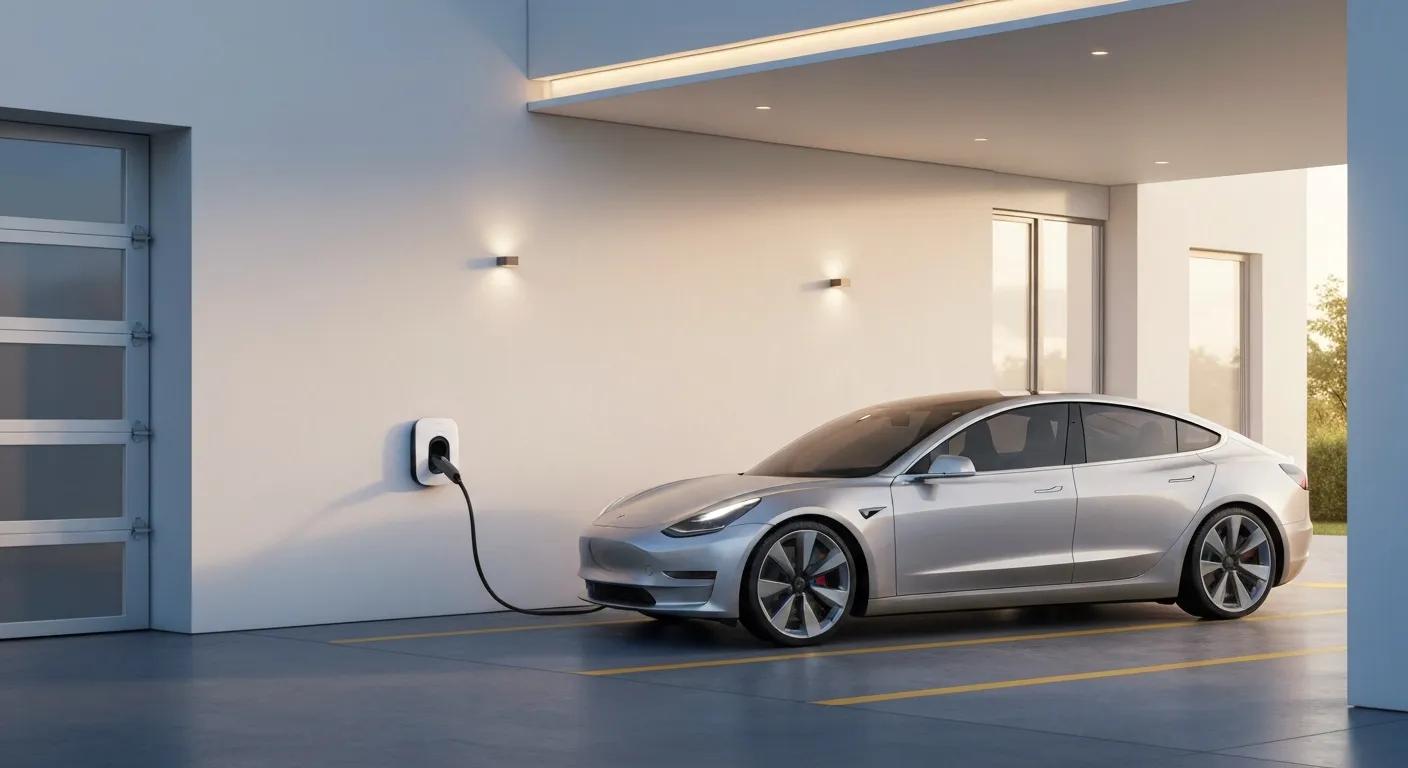
Installing a home EV charger means topping up overnight, cutting your running costs and avoiding regular trips to public rapid chargers. This guide explains how home chargers work, what a typical 7kW home EV charger installation looks like, and which grants and models suit homeowners in Surrey, Hampshire and London. We answer the cost questions people ask most, outline grant eligibility, compare popular units and walk through the installation steps. You’ll also find notes on smart features like tariff scheduling and solar integration, and what installers handle for DNO checks and certification. If you’re in Surrey, Hampshire or London and want a tailored survey or quote, request a site survey/quote from Downlight Electrical Ltd for a written estimate and personalised advice.
How much does a home EV charger installation cost in Surrey and Hampshire?
A standard 7kW installation combines the charger price with labour, cabling and any consumer‑unit upgrades to give a realistic budget. For a straightforward single‑phase install with a short cable run, homeowners in Surrey and Hampshire will generally see prices that reflect a mid‑range charger and a standard installation package. Site‑specific issues — long cable runs, driveway reinstatement or earthing improvements — add materials and labour and increase the total. Below we break down common cost components and give example scenarios so you can compare quotes and plan your budget. Knowing the main cost drivers helps you spot where savings or extra charges might appear on a quote.
Note: the final price depends on how the hardware and site interact, so check likely complexity before accepting a fixed quote.
What factors influence the cost of installing a 7kW home EV charger?
Several site and technical factors change installation difficulty and cost. Distance from your consumer unit to the parking point determines cable length, trenching and conduit needs; supply type (single‑phase vs three‑phase) determines whether DNO notification or upgrades are required. Extra works like a consumer‑unit replacement, earthing improvements and driveway reinstatement add materials and labour. On‑street parking or restricted access can also mean additional civil works.
- Cable length, consumer‑unit upgrades and trenching are common cost drivers.
- Unexpected extras often involve earthing work or DNO requirements.
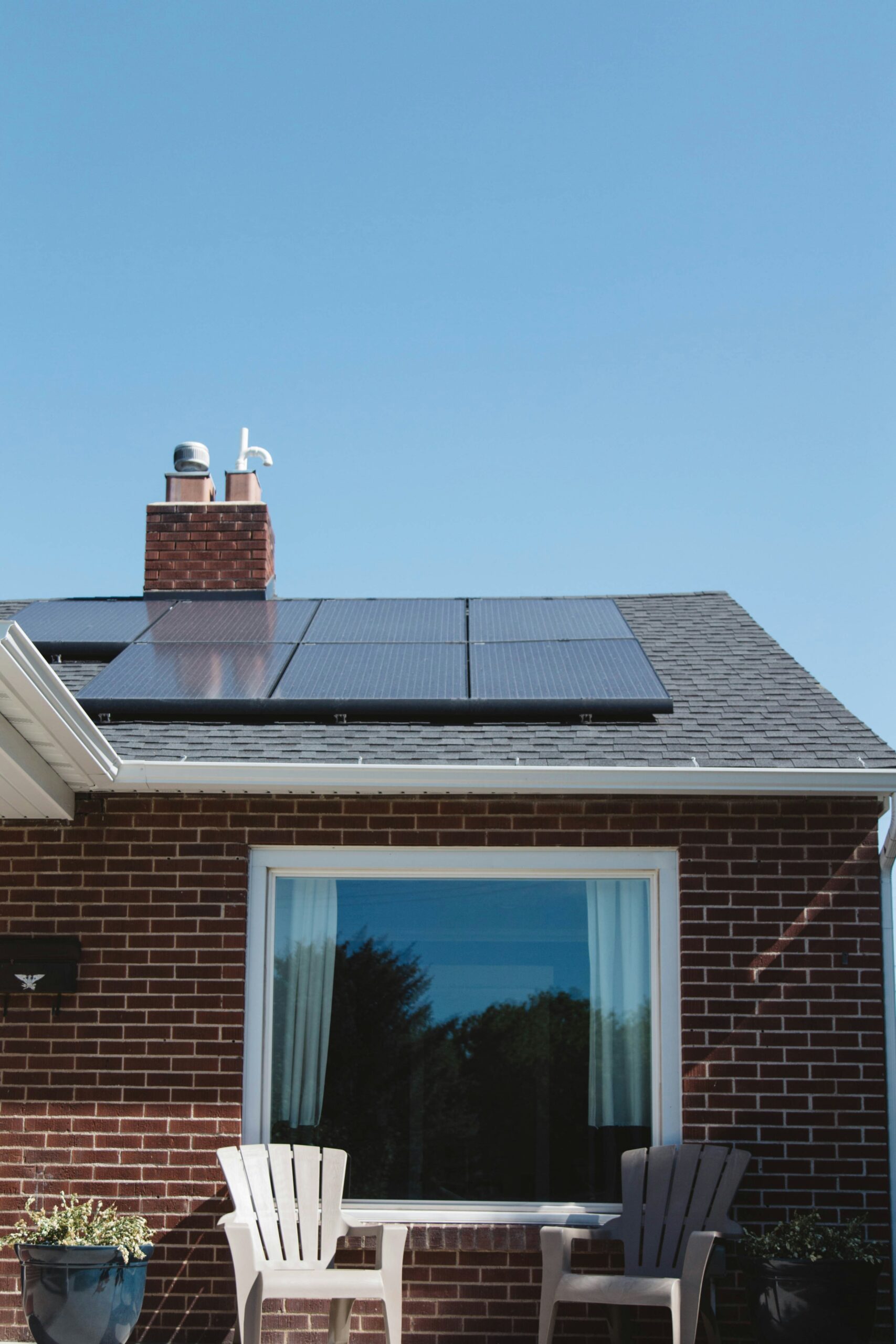
- Solar integration or load‑management systems add hardware and coordination time.
A simple driveway install will cost less than a complex multi‑phase job — compare scenarios when reviewing quotes so you can see why prices differ.
Flag these frequent site complexities ahead of a survey.
- Long cable runs that require trenching and conduit.
- Consumer‑unit upgrades to add circuit capacity.
- Difficult access or parking that needs extra time and materials.
These variables explain why two neighbouring properties can receive very different quotes; the table below shows typical unit and installation ranges for comparison.
Typical scenarios combine unit choice, installation complexity and extras into realistic budget bands.
| Charger Unit | Typical Install Complexity | Typical Cost Range (unit + standard install) |
|---|---|---|
| Mid‑range 7kW (untethered) | Standard single‑phase, short run | £800 – £1,200 |
| Premium 7kW (smart, tethered) | Longer run or tethered cable | £1,200 – £1,800 |
| Complex site (consumer unit upgrade / trenching) | Significant civil or electrical works | £1,800 – £3,000+ |
How does Downlight Electrical ensure transparent, competitive pricing?
Downlight Electrical Ltd provides itemised, survey‑based quotes so you can see unit costs, labour and any likely extras laid out clearly. Quotes normally specify the charger model or spec, labour hours, materials, civil works and any DNO fees to reduce surprises on installation day. As a local team based in Fleet, Hampshire, we can offer fixed‑price packages where a survey confirms the scope. During quoting we explain what is — and isn’t — included and outline post‑installation support such as certification and handover.
When comparing proposals, an itemised quote from a qualified installer lets you compare labour, materials and extras line by line and weigh trade‑offs like tethered versus untethered units.
- Ask for an itemised quote so labour, materials and extras are clearly separated.
- Clarify any DNO or permit fees before you accept a quote.
- Check whether warranty and aftercare services are included.
A clear quoting process makes installation day smoother and supports effective aftercare — and it’s also the starting point for checking available grant support that can reduce your upfront cost.
What electric car charger grants are available in the UK?
The main homeowner‑facing grant in 2025 is the OZEV EV Chargepoint Grant, which contributes toward the purchase and installation cost for eligible sockets. The scheme targets properties with off‑street parking and certain applicant types, so eligibility can be nuanced — especially for flats, rented properties and landlords. Installations must be carried out by approved installers and supported by the correct paperwork, so plan the sequence (eligibility check, installation, claim submission) to avoid delays.
Downlight Electrical can guide you through eligibility checks and the application paperwork.
Grant rules affect timing and budgeting, so confirming eligibility early helps produce accurate quotes and reliable schedules.
Who is eligible for the OZEV EV Chargepoint Grant in 2025?
Eligibility focuses on parking and the applicant type: off‑street parking is usually required, and the grant is aimed at properties or individuals who can show the chargepoint will serve private parking. Flat owners, landlords and businesses have specific application routes, and renters can qualify with written landlord permission. Some past homeowner schemes have changed, so check the exact conditions before relying on grant savings.
- Flat owners with an allocated off‑street parking space can often apply.
- Renters may qualify if the landlord provides written permission.
- Businesses and landlords use separate grant pathways for workplace or multi‑unit installs.
Make sure the installer provides the required certification and paperwork to support your claim.
How can Downlight Electrical help with EV charger grant applications?
We support the grant process by assessing eligibility during the site survey and preparing the installer certification and documentation you’ll need. That includes checking whether your property meets off‑street parking criteria, advising on landlord permissions, and ensuring the installation meets the technical standards required for the claim. After installation we supply the paperwork and guidance to submit or follow up your grant application, cutting the administrative burden for you.
- We check eligibility during the site survey.
- We provide the installer certification needed for claims.
- We guide customers through claim submission and follow‑up.
Resolving grant questions early helps produce accurate quotes and predictable installation timelines.
Which 7kW home EV chargers are best for UK homes?
7kW chargers are the most common home choice because they balance charging speed with typical single‑phase domestic supplies. The right model depends on features, tethered vs untethered preference and compatibility with smart systems. Key considerations are whether you want a tethered cable for plug‑in convenience, tariff scheduling for off‑peak charging, or solar/battery integration to use onsite generation. Popular models for UK homes combine solid app control, reliable warranties and installer support — a sensible mix of function and longevity.
Choosing the right model means balancing everyday convenience with smart features that can save money over time.
Below is a concise comparison of common ev charger locations to show typical trade‑offs.
The table summarises feature‑to‑benefit relationships for typical 7kW models.
| Model / Brand | Feature | Benefit |
|---|---|---|
| Ohme (7kW) | Smart tariff scheduling and app control | Charge during cheaper off‑peak periods to reduce running costs |
| Zappi (7kW) | Solar/battery integration option | Prioritises home‑generated solar for greener, cheaper charging |
| Hypervolt (7kW) | Sleek tethered and untethered variants | Reliable, user‑friendly hardware with strong connectivity |
What features should you look for in a smart home EV charger?
Smart chargers do more than deliver power: they combine hardware and software to save money and add convenience. Prioritise tariff scheduling if you’re on economy or time‑of‑use tariffs, reliable app connectivity for remote monitoring, and solar integration if you have PV. Other useful features include load balancing for multiple chargers, a tethered cable for plug‑and‑go use, and robust warranties covering both unit and installation.
- Tariff scheduling is worth prioritising if you use a smart or economy tariff.
- Choose a tethered unit if you want everyday plug‑in convenience.
- Consider solar compatibility if you have PV or plan to add battery storage.
Picking a charger that matches your energy setup and routine gives the best lifetime value and encourages smarter charging.
How do popular brands like Ohme, Zappi and Hypervolt compare?
Ohme is favoured for straightforward tariff‑driven charging that cuts energy costs through scheduling. Zappi is chosen when solar prioritisation matters, thanks to its dedicated solar mode. Hypervolt focuses on dependable hardware and a simple user experience, with good installer compatibility for quick installs. Prices vary by tethered vs untethered models and accessories, and a certified installer can advise which model suits your supply and priorities.
- Ohme: strong tariff integration for cost‑conscious users.
- Zappi: ideal when you want to use solar generation first.
- Hypervolt: dependable hardware and an easy user experience.
An approved installer will match the charger to your electrical capacity and priorities to ensure the best fit and maintain warranty compliance.
Why choose a local EV charger installer in Surrey and the South of England?
Hiring a local installer brings practical advantages in speed, local knowledge and aftercare — especially across Surrey, Hampshire and London where DNO practices and access can vary. A local team understands common property layouts, typical supply issues and the quickest way to arrange any necessary DNO contact or permits. Local installers also respond faster for aftercare and warranty visits and can provide nearby references demonstrating real experience in your area.
Local knowledge shortens lead times and helps avoid common planning or access pitfalls that delay installations.
- Faster site surveys and installations thanks to proximity.
- Greater familiarity with local DNO protocols and common property layouts.
- Quicker follow‑up service and maintenance response.
Choosing a local, approved installer reduces friction across the whole project and makes DNO engagement smoother.
What qualifications and experience do Downlight Electrical electricians have?
Downlight Electrical employs qualified, experienced electricians who are approved installers for multiple EV charging brands and who deliver client‑focused installations across Surrey, Hampshire and London. Our team combines domestic electrical experience with specific EV charger training to ensure work meets regulatory and manufacturer standards. We prioritise clear communication during surveys and quoting and supply the certification needed for grants and compliance.
- Technicians experienced in domestic electrical systems and EV installs.
- Approved installer partnerships with multiple charger brands simplify procurement.
- Survey‑based assessments provide accurate, itemised quotes and compliant paperwork.
That local technical competence means installations are completed safely and with documentation that supports warranties and grant claims.
How does local knowledge improve your EV charger installation experience?
Local know‑how speeds up fault diagnosis, helps anticipate typical cabling or earthing needs for regional property types and eases dealings with local authorities or DNOs when approvals or notifications are required. Contractors who know the area often complete surveys and installs more efficiently because they recognise common obstacles — such as shared drives or communal parking — and know standard solutions. That leads to fewer surprises on installation day and a more predictable handover.
- Familiarity with local property patterns reduces survey time.
- Established contacts with local suppliers and authorities speed approvals.
- Faster post‑install support minimises downtime if adjustments are needed.
Local expertise therefore improves quality, timelines and the overall customer experience — a clear reason to choose a nearby installer.
What are the benefits of installing a home EV charger?
A home EV charger brings convenience, lower running costs and potential property appeal compared with relying on public chargers. Charging at home — especially on off‑peak tariffs — usually costs less per kWh than public rapid chargers, delivering meaningful annual savings for regular drivers. Convenience means starting each day with a full battery, and smart chargers can optimise usage with scheduled charging or solar integration. A professionally installed, documented charger can also make a property more attractive to EV buyers, provided certification and warranty details are available.
How does home EV charging save you money compared with public charging?
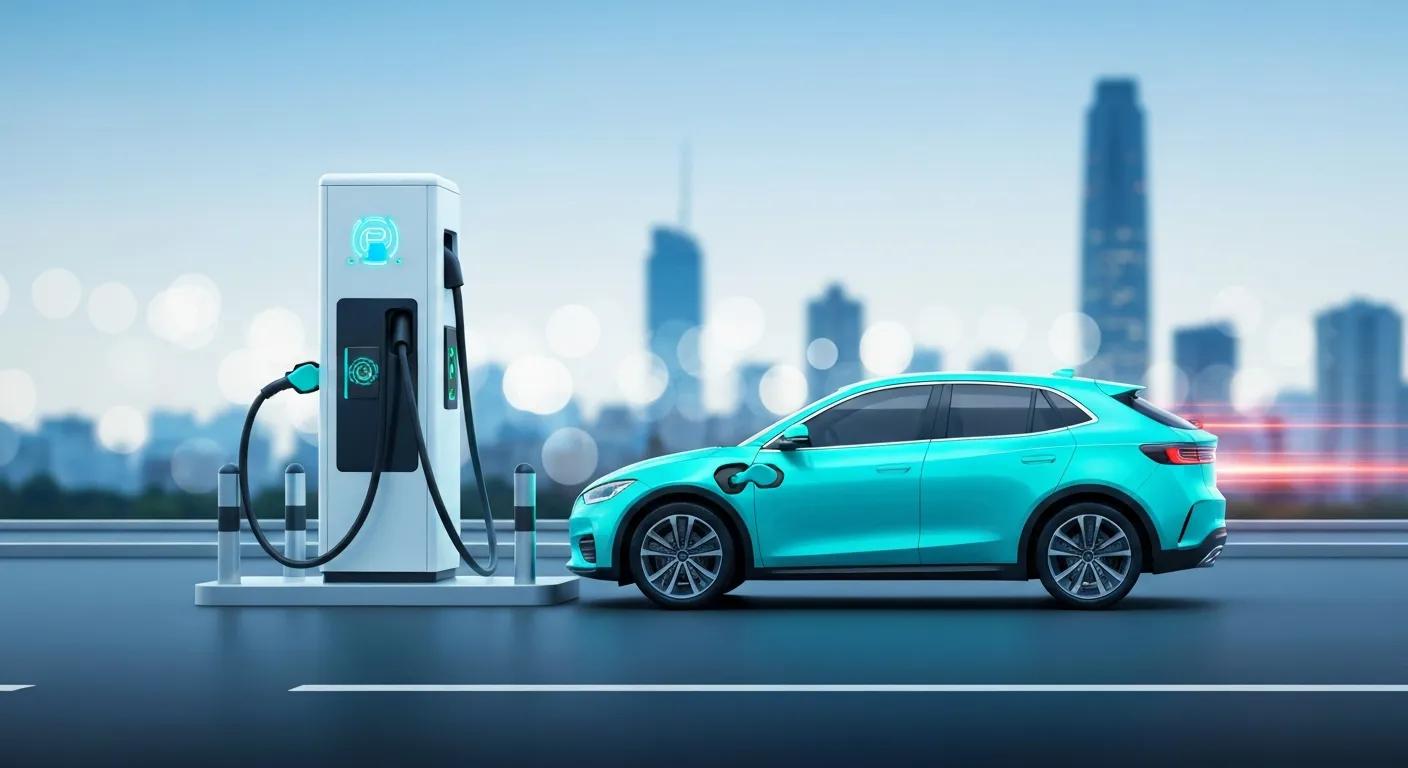
Charging at home on off‑peak or economy tariffs is generally much cheaper per kWh than public rapid chargers, and those savings add up over a year for typical drivers. Using a low‑cost overnight tariff and smart scheduling to shift energy to cheaper periods lowers your total annual energy spend compared with frequent use of paid rapid chargers, which usually carry a premium.
- Off‑peak home rates are typically much lower than public rapid‑charge prices.
- Annual savings depend on mileage but can be significant for daily commuters.
- Smart scheduling and solar integration can further reduce bills and emissions.
Can installing an EV charger increase your property value?
An installed EV charger can make a property more attractive to buyers who drive electric vehicles, and in some markets there’s evidence of a small uplift in buyer interest where charging infrastructure already exists. The impact on value depends on installation quality, documentation and local demand for EV‑ready homes. Well‑documented installs with certification and transferable warranties are more persuasive to buyers than informal or uncertified work.
- Installed chargers add buyer convenience and reduce perceived friction.
- Proper certification and transferrable warranties build buyer confidence.
- Local market demand determines how much value is added.
How does the home EV charger installation process work?
The installation follows a clear sequence from site survey to commissioning, with typical timescales you can plan around. It starts with a detailed site survey to confirm cable runs, consumer‑unit capacity and any civil works, followed by an itemised quote and an agreed schedule. On installation day qualified electricians complete cabling, mount the unit and make connections, then run tests and commission the unit. Some jobs need DNO notification or approval before work begins; your installer will handle the paperwork and handover so you receive full operational instruction and certification.
A predictable process reduces uncertainty and ensures installations meet safety and grant compliance requirements.
Use the short numbered list below as a quick reference for expected steps and durations.
What are the key steps from site survey to charger activation?
- Site survey and eligibility check: assessor inspects parking, consumer unit and cable route; typically 30–60 minutes.
- Quoting and scheduling: installer provides an itemised quote and agrees timing; usually within a few days of the survey.
- Installation day: electricians run cabling, mount the unit and make electrical connections; typically 3–6 hours for a standard install.
- Testing and commissioning: safety checks, commissioning and user demonstration; includes issuing certificates.
Each step has a clear outcome and responsible party, and the survey stage identifies whether DNO notification is required so there are no unexpected delays.
The table below summarises steps, actions and typical durations to set expectations.
| Step | Action | Typical Time / Outcome |
|---|---|---|
| Site survey | Inspect route, supply & parking | 30–60 minutes; detailed quote follows |
| Quoting | Itemised proposal and schedule | 1–3 days to prepare estimate |
| Installation | Cabling, mounting, electrical connections | 3–6 hours for standard installs |
| Commissioning | Testing, certification, handover | 30–60 minutes; safety certificate issued |
Do you need permission or DNO approval for a home EV charger installation?
DNO involvement is required when the installation changes the supply arrangement — for example, significant capacity increases, three‑phase alterations or when specific approvals are needed. Many standard single‑phase installs only need notification rather than full consent. Landlord or management company permission is essential for rented properties and flats, so get written permission early to avoid delays. Certified installers normally handle notifications and provide the documentation required for regulatory compliance and grant claims, keeping the administrative load off the homeowner.
- DNO approval is required for supply‑altering works; simpler installs may only need notification.
- Written landlord permission is essential for rentals and many communal parking arrangements.
- Certified installers manage notifications and supply paperwork for compliance and grants.
- Request a survey to confirm supply and permission requirements.
- Ask for documented notifications if DNO involvement is needed.
- Keep paperwork to support future warranty transfers or property sales.
These practical steps complete the guide to home EV charging solutions and installation expectations.
Conclusion
Fitting a home EV charger delivers convenience, lower running costs and greater control over when you charge. By understanding typical costs, the installation process and available grants, you can make a confident, cost‑effective choice that suits your home and driving needs. For tailored advice and a full quote, contact Downlight Electrical Ltd — we’ll arrange a site survey and provide a clear, itemised estimate to get you started with simple, reliable home EV charging.